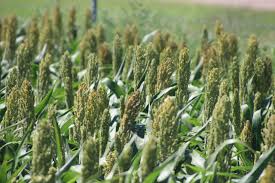
U.S. lawmakers have welcomed a series of recent trade agreements aimed at reducing export barriers for key agricultural commodities, including sorghum and cotton. The measures are expected to enhance the global competitiveness of American producers and expand market access in South Asia.
According to policy updates, India has agreed to reduce its tariff on U.S. sorghum imports, a move seen as particularly beneficial for grain exporters seeking to diversify markets amid fluctuating global demand. The tariff cut is anticipated to improve price competitiveness and support higher shipment volumes to one of the world’s largest feed and food grain consumers.
In parallel, expanded cotton market access in Bangladesh is projected to create new opportunities for U.S. fiber exports. Bangladesh, a major textile manufacturing hub, relies heavily on imported cotton to sustain its garment industry. Improved trade terms are expected to facilitate stronger commercial ties between U.S. cotton growers and South Asian textile mills.
The developments have been closely monitored by the United States Congress, where lawmakers emphasized the importance of trade diplomacy in sustaining rural economies. Legislators noted that reducing tariff and non-tariff barriers is critical for maintaining U.S. leadership in global agricultural trade.
Industry representatives also view the agreements as a strategic response to intensifying competition from other exporting nations. With Brazil, Australia, and other suppliers actively expanding their footprint in Asia, improved access to India and Bangladesh could help secure long-term demand for American crops.
Analysts point out that export growth will depend not only on tariff reductions but also on currency movements, logistics efficiency, and overall global demand conditions. Nevertheless, the agreements signal renewed momentum in agricultural trade policy at a time when farmers face price volatility and rising production costs.
If export volumes increase as projected, the trade adjustments could provide incremental income support to U.S. sorghum and cotton producers, reinforcing agriculture’s contribution to national economic growth and rural employment.


 By
By