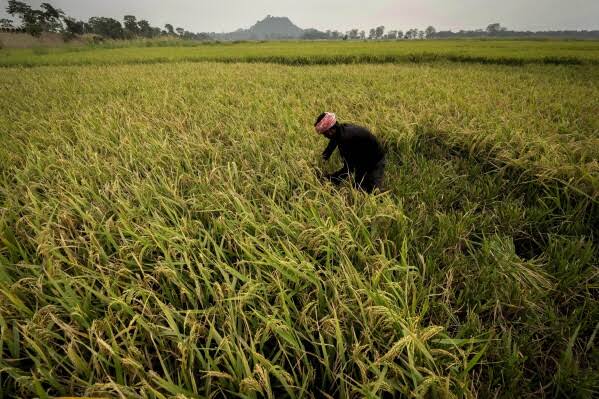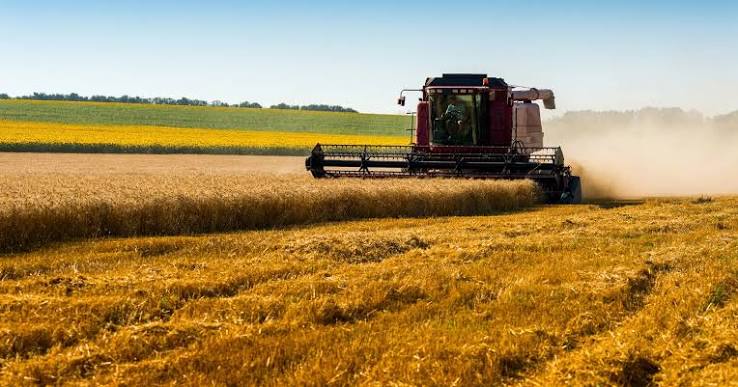
In a landmark achievement for Indian agriculture, the Union Ministry of Agriculture has announced the public sector rollout of genome-edited high-yield rice varieties, developed using cutting-edge gene-editing technology. This marks the first time in the world that such varieties are being scaled up and distributed by public research institutions, setting a global precedent in sustainable crop science.
The breakthrough was achieved through collaboration between the Indian Council of Agricultural Research (ICAR) and leading agricultural universities, including Punjab Agricultural University (PAU) and Tamil Nadu Agricultural University (TNAU). These rice varieties have been modified using CRISPR-Cas9 and other gene-editing techniques to enhance yield, pest resistance, and climate adaptability—without introducing foreign DNA, keeping them non-GMO.
“This is a scientific milestone that will directly benefit millions of farmers and help secure India’s future food needs,” said Agriculture Secretary Manoj Ahuja.
Key Advantages of the New Varieties
- Higher Yields: Improved panicle structure and grain weight lead to significantly better productivity.
- Stress Tolerance: Enhanced resistance to drought, heat, and salinity critical amid changing climate patterns.
- Pest & Disease Resistance: Naturally fortified against key pests and bacterial leaf blight.
- Faster Approval & Acceptance: Since the varieties are non-transgenic, they face fewer regulatory hurdles and have better consumer acceptance.
A Public Sector-Driven Innovation
Unlike private-sector biotech developments, these genome-edited seeds are being developed and distributed freely or at subsidized rates through ICAR and state agricultural universities. This ensures equitable access for small and marginal farmers, especially in states like Uttar Pradesh, Bihar, West Bengal, and Odisha where rice is a staple crop.
The seeds are currently being multiplied for large-scale release during the 2026 Kharif season, with pilot trials already yielding 30–40% higher output compared to conventional varieties under low-input conditions.
Boost to National Food Security
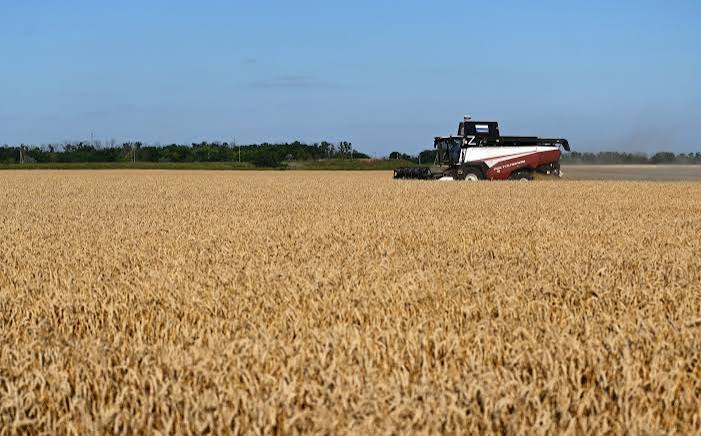
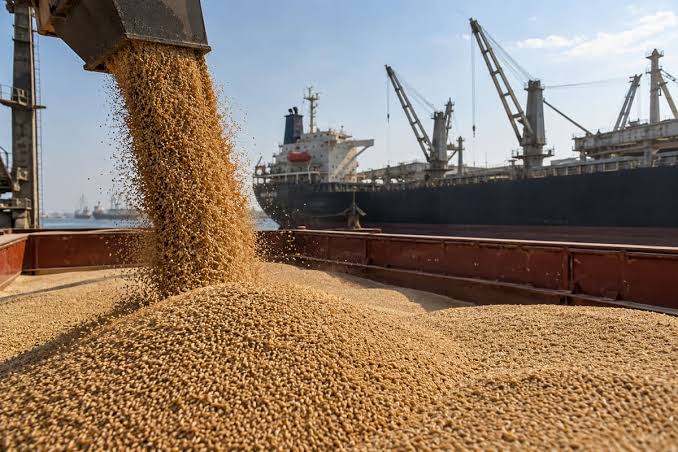
With India’s population projected to cross 1.5 billion by 2030, food grain demand is steadily rising. Experts believe that genome-edited crops—especially rice—can play a pivotal role in ensuring food security without expanding farmland or increasing chemical inputs.
“We must grow more with less less water, fewer chemicals, less land. This innovation checks all the right boxes,” said Dr. Swati Ramesh, crop biotechnology expert at ICAR.
Environmental and Economic Benefits
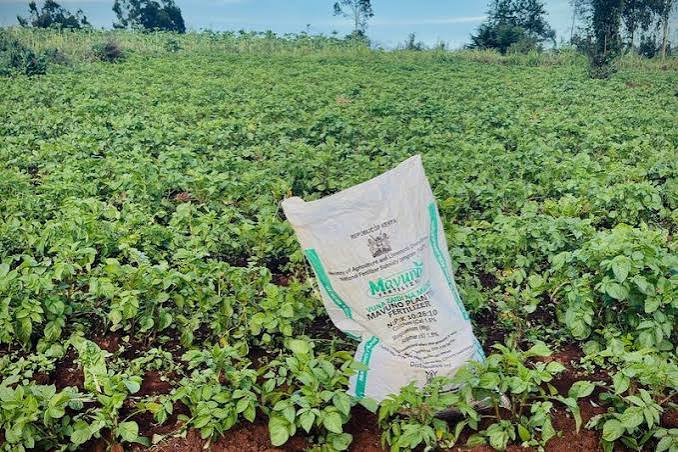
- Lower fertilizer and pesticide use, reducing input costs for farmers
- Minimal environmental footprint
- Shorter breeding cycles, enabling faster response to emerging threats
The Ministry is also considering a national awareness campaign to educate farmers about the safety, benefits, and adoption process of genome-edited seeds, ensuring smooth rollout across rural regions.


 By
By