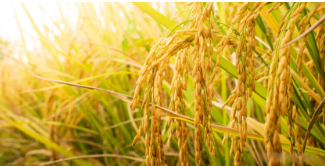
Rice farmers across Asia are adopting regenerative practices to address soil degradation and climate extremes. Regenerative rice cultivation emphasizes minimal soil disturbance compost enrichment crop rotation and water efficiency. In Punjab region farmers have begun adopting alternate wetting and drying techniques to reduce methane emissions and conserve water. Rotational planting of legumes with rice enhances nitrogen fixation naturally decreasing dependency on synthetic fertilizers.
Trials in Vietnam have reported yield improvements of ten percent along with soil organic matter increase of fifteen percent over three seasons. Meanwhile community cooperatives in Thailand are using green compost from rice husks and other organic residues to improve irrigation retention. The practice provides cost savings and reduces waste disposal issues.
Government agencies and regional agricultural universities are offering training workshops and technical support to scale these practices. Asia Pacific Rice Research Institute has been providing data collection tools and soil health monitoring systems to measure spad index and microbial populations directly in the field.
While initial investment is required for soil analyzers compost units and training regenerative rice farming offers long term benefits for profitability environmental sustainability and climate resilience. Observers say this new wave could transform rice production with healthy soil supporting robust yields and reduced greenhouse impact.


 By
By