

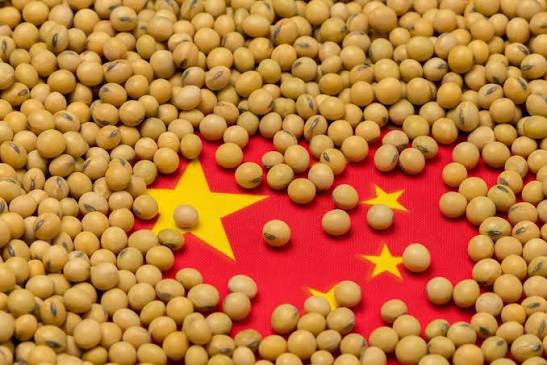
U.S. soybean exporters have announced significant new sales to China, including 6.7 million bushels of soybeans, along with additional soybean and soymeal sales for the 2026–27 marketing year. The development is drawing attention across global agricultural markets as China remains one of the world’s largest consumers and importers of soybeans.
The newly reported sales could provide an important boost to the U.S. soybean market, particularly at a time when farmers and traders are closely monitoring international demand, commodity prices and global trade flows.
China plays a critical role in the global soybean market because of its large livestock and feed industries. Soybeans are widely processed into soybean meal, which is an important protein source for animal feed, while soybean oil is used in food and other applications. As a result, changes in Chinese buying patterns can have a significant impact on international soybean prices and trade.
The latest purchases also highlight the importance of China as a destination for U.S. agricultural exports. Strong export demand can support prices received by American farmers and improve market prospects for soybean producers ahead of the new marketing year.
The development is particularly significant for global agricultural markets because soybean trade is highly interconnected. Brazil, the United States and Argentina are among the major suppliers, while China is the dominant importer. Any major shift in purchasing patterns can influence competition among exporters and affect prices in other producing countries.
For U.S. farmers, increased Chinese buying could strengthen export demand and provide greater market opportunities. However, future trade flows will continue to depend on factors such as crop production, currency movements, freight costs, Chinese demand, global livestock production and government trade policies.
The soybean market is also being influenced by broader trends in the agricultural and energy sectors. Demand for vegetable oils, biofuels and animal feed can affect the overall balance between soybean supply and consumption.
The reported sales for the 2026–27 marketing year therefore offer an early indication of continued commercial interest in U.S. soybeans. Market participants will be watching closely to see whether additional purchases follow and whether Chinese demand remains strong throughout the marketing season.
For global farmers and agricultural traders, developments in the U.S.-China soybean trade are important because they can influence international prices and create changes in export competitiveness. Strong Chinese demand for U.S. soybeans could support the wider market, while changes in future purchasing patterns could quickly alter price expectations.
Overall, the latest sales underscore the strategic importance of China in the global soybean trade. With millions of bushels already committed and additional sales reported for the coming marketing year, U.S. soybean producers are gaining a potentially important export opportunity, while traders worldwide continue to monitor the next moves in the China-U.S. agricultural trade relationship.


 By
By


 4777bedlogin says:








