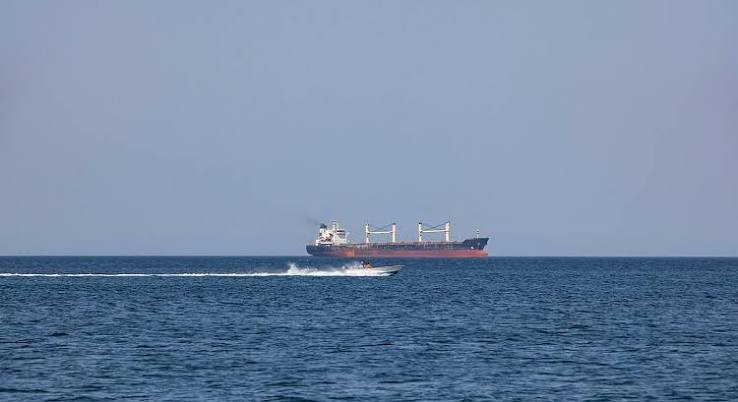
Increased customs scrutiny in India over suspected mislabelling of soybean import origins has prompted traders to redirect thousands of tonnes of shipments to alternative Asian markets, highlighting the growing importance of trade documentation and regulatory compliance in international agricultural commerce. According to a Reuters report published on October 15, approximately 11,000 tonnes of soybeans originally intended for India were redirected to Vietnam, Indonesia and Bangladesh amid investigations into concerns over the declared origin of imported consignments.
The shipments were reportedly offered at discounted prices in alternative markets as traders sought to find buyers outside India. Meanwhile, approximately 1,500 tonnes of soybeans remained at Jawaharlal Nehru Port near Mumbai while investigations continued. The situation illustrates how customs checks and questions over the accuracy of import documents can disrupt established trading arrangements and create additional costs for agricultural commodity businesses.
Soybeans are an important commodity in the international agricultural market, supplying raw material for soybean meal, vegetable oil and animal feed. India has a substantial domestic demand for edible oils and protein-rich feed ingredients, making international soybean and soybean-product trade relevant to its agricultural processing and livestock sectors. Changes in import procedures or shipment clearances can therefore affect traders, processors and other businesses that depend on predictable commodity supplies.
The declared country of origin is an important element of import documentation because customs authorities use it to determine whether a shipment complies with applicable trade rules, tariff requirements and other regulatory conditions. If officials suspect that the origin of an imported commodity has been incorrectly declared, they may seek additional documents, examine the shipment and investigate the circumstances surrounding the transaction. Such scrutiny can delay clearance and increase costs associated with port storage, financing and logistics.
For commodity traders, a delayed shipment can create financial pressure because cargoes involve substantial capital commitments and time-sensitive delivery arrangements. When the intended destination becomes difficult to access, traders may attempt to sell the goods in another market. However, redirecting cargo is not always straightforward. Buyers in alternative destinations may demand lower prices, and additional transportation, handling and documentation expenses can reduce the profitability of a transaction.
The reported discounts on redirected soybean shipments indicate how regulatory uncertainty can influence commercial negotiations. Buyers may seek more favorable prices when cargoes become available unexpectedly or when sellers need to complete transactions quickly. Nevertheless, the actual financial impact will depend on the original purchase contracts, freight costs, quality specifications and prices prevailing in the alternative markets.
The development also demonstrates the interconnected nature of Asian agricultural trade. Vietnam, Indonesia and Bangladesh participate in regional commodity supply chains, but their ability to absorb redirected shipments depends on domestic demand, import requirements, processing capacity and prevailing market conditions. Consequently, the diversion of cargoes does not automatically imply a shortage or surplus in any particular market.
For India, the immediate outcome will depend on the findings of the customs investigations and the procedures applicable to the consignments under review. Importers and traders may face greater pressure to maintain accurate origin declarations, complete supporting documentation and verify compliance before shipments are dispatched.
The episode underscores the importance of transparent documentation and predictable customs procedures in agricultural trade. As international commodity markets respond to changing regulations and enforcement practices, traders must account for compliance risks alongside prices, freight charges and demand. The final impact on soybean trade will become clearer as the investigations progress and the redirected shipments are absorbed by their alternative destinations


 By
By