

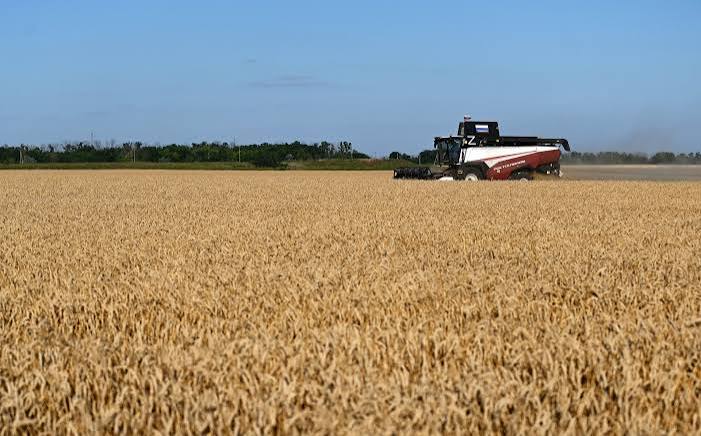
The Philippines is strengthening its food-security preparations as the threat of El Niño-related drought raises concerns about agricultural production, food supplies and prices. The country’s agriculture authorities are updating contingency measures to help farmers and local food systems respond to potentially prolonged dry conditions.
El Niño can significantly alter rainfall patterns across the Philippines, increasing the risk of drought in several agricultural areas. Reduced rainfall and higher temperatures can affect crop growth, lower yields and place additional pressure on irrigation and water resources.
Rice and other staple crops are particularly important to the country’s food-security strategy. Any significant decline in production could increase the need for additional imports, while tighter domestic supplies could also contribute to higher food prices.
The agriculture department’s updated contingency planning is intended to help identify vulnerable areas and prepare appropriate responses before drought conditions become more severe. Measures may include improving water management, supporting irrigation systems, promoting drought-tolerant crop varieties and adjusting planting schedules where necessary.
Farmers can face multiple challenges during prolonged dry periods. Limited water availability can reduce the area that can be cultivated, while heat stress can affect crop development even where irrigation is available. Livestock producers may also face difficulties because drought can reduce the availability of pasture and increase the cost of animal feed and water.
The potential impact extends beyond farms. Agricultural production is closely linked with food processing, transportation, markets and household consumption. A significant reduction in harvests could therefore place pressure on the broader food supply chain.
Food prices are another major concern. When domestic production falls, markets may experience tighter supplies, potentially increasing prices for rice, vegetables and other agricultural products. The government may need to closely monitor market conditions and ensure that sufficient supplies are available to protect consumers from sudden price increases.
Early preparation can help reduce the economic impact of climate-related agricultural shocks. Authorities can use weather forecasts and agricultural data to identify areas most vulnerable to drought and prioritize support for farmers in those regions.
For farmers, climate-resilient practices will become increasingly important as weather patterns become more unpredictable. Efficient irrigation, soil-moisture conservation, water-saving technologies and appropriate crop selection can help reduce the impact of prolonged dry conditions.
The Philippines has experienced the effects of El Niño in previous years, making preparedness an important part of its agricultural and food-security planning. The latest measures indicate a focus on reducing risks before severe drought conditions affect production on a larger scale.
As the El Niño threat develops, Philippine authorities are expected to closely monitor rainfall, reservoir levels, crop conditions and food-market prices. Timely intervention and coordination between national and local agencies could play an important role in protecting farmers and maintaining stable food supplies.
The situation also highlights a broader challenge facing agricultural economies across Asia: preparing food systems for increasingly variable weather conditions. Strengthening water infrastructure, improving climate information and supporting farmers in adopting resilient production methods will be essential for maintaining food security in the face of future climate risks.


 By
By











