

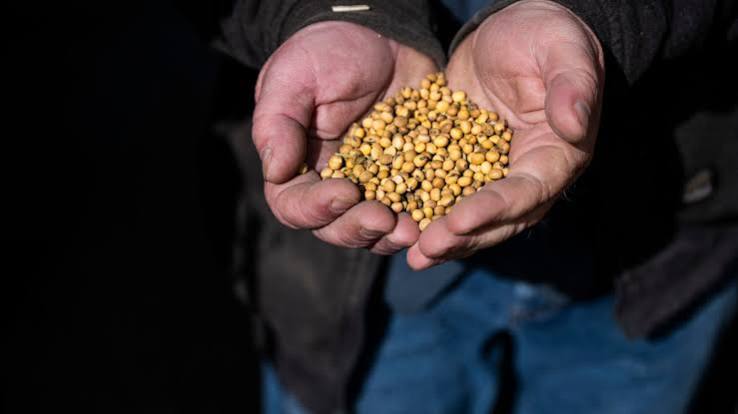
An exceptionally hot and dry summer is putting fresh pressure on agriculture across Europe, with farmers in several regions facing crop losses, water shortages and difficult growing conditions. France’s vineyards and England’s agricultural fields have been among the areas affected, highlighting the growing risks that extreme weather poses to European food production.
England experienced an exceptionally dry period during July, with the month reported as the driest July since 1836. The lack of rainfall has increased pressure on agricultural land, reducing soil moisture at a critical time for crops and raising concerns about yields.
Farmers depend heavily on adequate rainfall during key stages of crop development. Prolonged dry conditions can restrict plant growth, reduce grain formation and increase the need for irrigation. Where water supplies are limited, farmers may have fewer options to protect crops from heat and drought stress.
The situation has also affected France’s important wine-producing regions. Vineyards have faced a combination of high temperatures and limited rainfall, creating challenging conditions for grape production. In some areas, emergency irrigation measures have been required to help protect vines from severe water stress.
Grapevines can tolerate relatively dry conditions, but prolonged heat and water shortages can still affect plant health and grape development. Excessive heat can accelerate ripening, alter sugar and acidity levels and ultimately influence the quality and characteristics of wine.
The impact of extreme weather is not limited to individual farms. Agriculture is closely connected with food processing, transportation, livestock production and rural employment. Significant production losses can therefore have wider economic consequences and potentially contribute to higher prices for certain agricultural products.
Europe has experienced a series of increasingly notable heat and drought events in recent years. Scientists and agricultural experts have repeatedly highlighted the vulnerability of farming systems to rising temperatures, changing rainfall patterns and more frequent weather extremes.
Farmers are responding through a combination of measures, including improved irrigation management, drought-tolerant crop varieties, soil-moisture conservation and adjustments to planting and harvesting schedules. In vineyards, growers are also exploring changes in canopy management and cultivation practices to reduce heat stress.
However, adaptation is becoming more challenging as water resources come under increasing pressure. Competition for water among agriculture, households, industry and ecosystems can make emergency irrigation difficult, particularly during prolonged droughts.
The latest conditions across France and England underline the importance of climate-resilient agriculture in Europe. While individual weather events can vary significantly from year to year, repeated episodes of extreme heat and dryness are increasing the need for farmers and policymakers to prepare for more volatile growing conditions.
For the agricultural sector, the priority will be to strengthen water management, improve climate resilience and develop farming practices capable of maintaining productivity under increasingly unpredictable weather conditions. The experience of European farmers this summer serves as another reminder that extreme weather is becoming a major factor in agricultural planning and food security.


 By
By











