A recent spike in non-performing assets (NPAs) in the US agricultural sector has raised alarms among policymakers and financial institutions, prompting calls for targeted credit reforms and stronger support systems for American farmers.
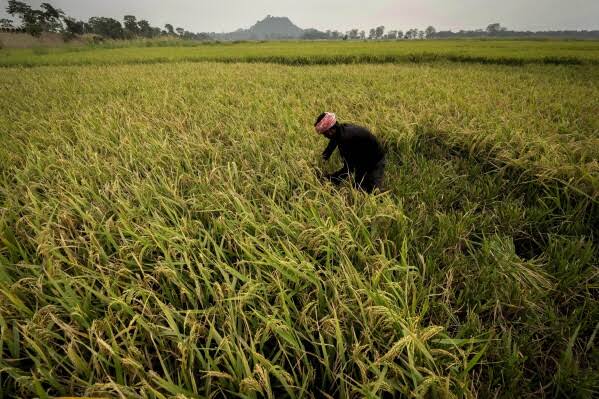
According to data released by the Federal Reserve, public-sector and rural banks have reported a significant increase in overdue and stressed farm loans during the second quarter of FY2025–26. The rise is attributed to a combination of climate-related crop failures, falling commodity prices, and high input costs, especially in key farming states like Iowa, Illinois, and Nebraska.
Stress in the Heartland
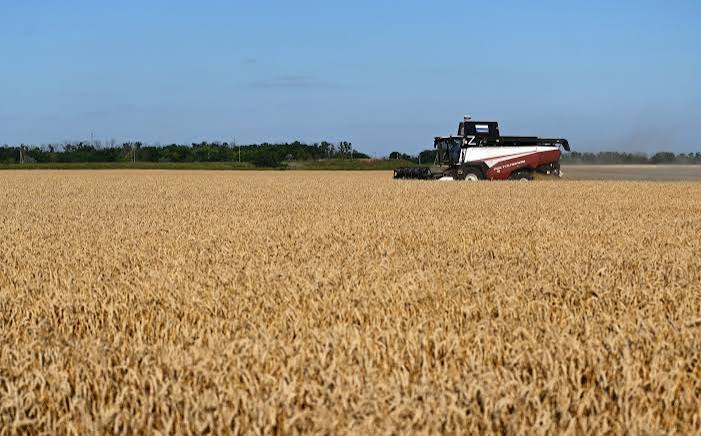
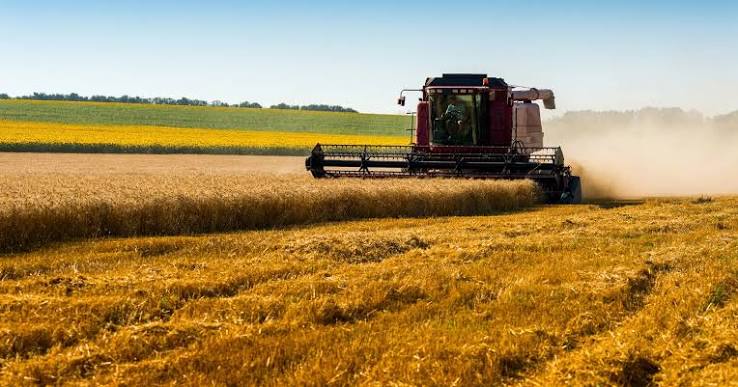
The agricultural loan default rate has reportedly crossed 5.2%, its highest in four years, with small and mid-size farms being the most affected. Sectors such as corn, soybeans, and dairy have shown the highest repayment stress due to erratic weather and price volatility.
“Many family-run farms are caught in a cycle of high debt, reduced income, and unpredictable weather patterns,” said Dr. Sarah Thompson, agricultural economist at the University of Minnesota.
Policy Response and Relief Measures
Recognizing the growing crisis, the US Department of Agriculture (USDA) and the Farm Credit Administration (FCA) are exploring a range of policy measures, including:
- Temporary loan restructuring and grace periods
- Increased crop insurance coverage for weather-related losses
- Emergency interest subvention for struggling farmers
- Expansion of the Farm Service Agency’s (FSA) microloan program to cover small and minority farmers
Treasury officials have also indicated a possible rural credit stimulus package, targeting cooperative banks and agri-lenders that support under-served regions.
Opportunity for Reform
While the rise in NPAs is concerning, it also presents an opportunity to rethink agri-finance policies in the US. Experts are advocating for:
- Digitized credit monitoring systems
- Climate-resilient lending frameworks
- Promotion of farm diversification and value-added processing
- Support for regenerative and sustainable farming models
“This isn’t just a financial issue it’s about the long-term viability of American agriculture,” noted Jim Wallace, Director at the American Farm Bureau Federation. “We need to modernize the way we support our farmers.”
A Global Lesson
The US situation mirrors similar debt concerns in other agri-driven economies, including India and parts of Latin America, where farming remains vulnerable to market shifts and environmental change. Analysts suggest that a globally coordinated response to farm credit, sustainability, and innovation is the way forward.


 By
By