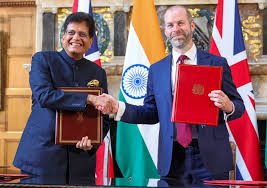
In a major breakthrough that marks a turning point in bilateral relations, India and the United Kingdom have officially sealed a Free Trade Agreement (FTA) after nearly three and a half years of intense negotiations. The pact, signed on July 24, 2025, is being hailed as a landmark development that is expected to significantly boost trade, open up new markets, and deepen economic ties between the two nations.
Under this historic agreement, 99% of Indian exports to the UK including key sectors like textiles, gems and jewellery, leather goods, marine produce, and auto components will now enjoy duty-free access. On the other hand, the UK has agreed to remove tariffs on 85% of its exports to India, with a plan to raise this to 90% within a decade. British exports like Scotch whisky, premium cars, cosmetics, and aerospace equipment are set to benefit from significant reductions in duties over time.
Both countries see this deal as more than just a trade expansion it is a strategic move to reshape their post-pandemic, post-Brexit economies. Prime Minister Narendra Modi described the agreement as a “historic milestone” that reflects India’s growing global influence, while UK Prime Minister Keir Starmer called it the “most comprehensive post-Brexit trade pact” signed so far.
One of the major highlights of the agreement is a social security and mobility pact that benefits Indian professionals working in the UK. Under this new framework, Indian workers on temporary assignments will now be exempt from contributing to UK national insurance for up to three years—saving them a significant portion of their salaries and benefiting thousands of skilled workers across IT, engineering, hospitality, and creative sectors.
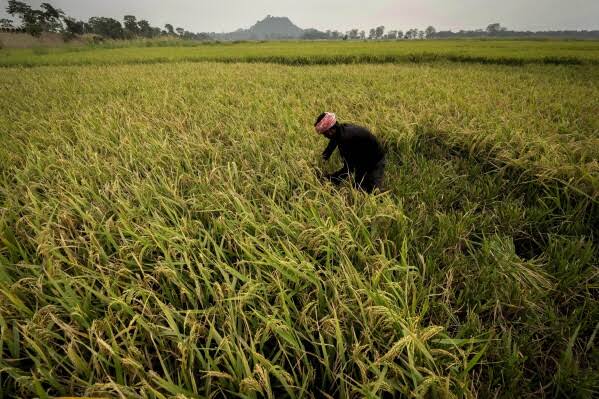
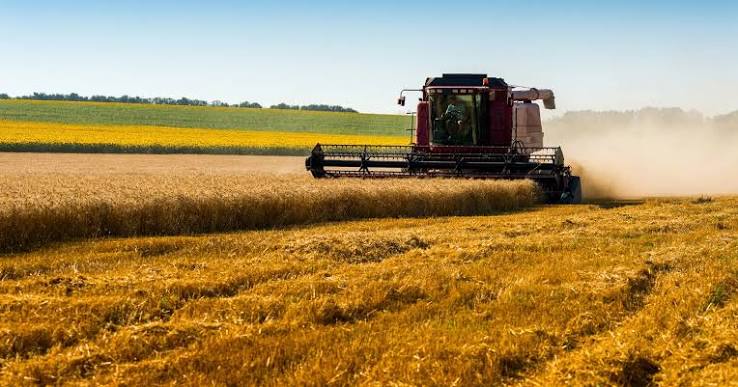
Another key aspect is the establishment of a dedicated committee to resolve sanitary and phytosanitary (SPS) issues, which have long posed hurdles for Indian agricultural exports. With smoother processes now in place, the trade of products like basmati rice, spices, tea, and processed foods is expected to see a noticeable rise in the UK market.
Back home, Indian industries have warmly welcomed the pact. Sectors such as leather, textiles, and especially the gems and jewellery industry are expected to gain massively, as the UK opens up its premium market for Indian exports. Business associations like ASSOCHAM have called it a “golden opportunity” for Indian MSMEs and private firms looking to scale operations and explore new markets.
The UK also sees this as a win for its economy. With tariffs on Scotch whisky halving from 150% to 75% immediately and reducing to 40% over ten years, British distillers stand to benefit immensely. Similarly, UK carmakers could save up to £1.7 billion by 2041 due to relaxed duties on high-end automobile exports to India.
Beyond goods, the agreement also opens up opportunities in services, telecom, construction, and professional consulting, where UK companies will no longer be required to establish local offices in India. This will streamline entry for many British firms and enhance service-sector cooperation.
While the deal brings widespread optimism, it is not without challenges. According to estimates, India may initially forgo about ₹4,060 crore in customs revenue in the first year. However, officials argue that the long-term gains in trade volume, employment, technology transfers, and investment—will more than compensate for the short-term fiscal impact.
Overall, this Free Trade Agreement is being seen as a strategic, forward-looking partnership that aligns with both nations’ economic goals. For India, it offers a chance to strengthen its position in global supply chains, while for the UK, it is a critical step in diversifying its trade portfolio post-Brexit.
With this deal, India and the UK are not just exchanging goods they’re building a deeper economic and geopolitical alliance that promises mutual growth, shared innovation, and stronger people-to-people ties in the years ahead.

 By
By