India is taking significant steps to conserve and promote its Globally Important Agricultural Heritage Systems (GIAHS), a designation under the Food and Agriculture Organization (FAO) that recognizes unique and traditional farming practices sustaining biodiversity, ecosystems, and local communities.
Currently, India hosts three GIAHS sites:
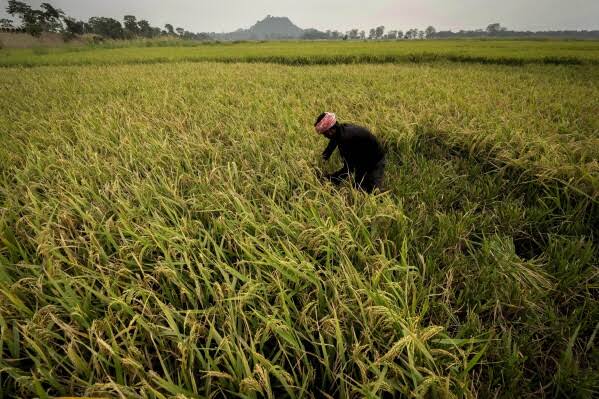
- Koraput Region, Odisha – Known for its subsistence paddy cultivation on highland slopes, the region is home to a remarkable diversity of paddy landraces and farmer-developed varieties. It also harbors rich genetic resources of medicinal plants, deeply linked with tribal communities and their indigenous knowledge systems.
- Kuttanad Farming System, Kerala – Famous as one of the world’s rare below-sea-level farming landscapes, it integrates wetlands for paddy cultivation and fishing, coconut and food crop garden lands, and inland water bodies for fishing and shell collection.
- Saffron Heritage of Kashmir – A traditional agro-pastoral system where saffron is cultivated using organic and intercropping methods, maintaining biodiversity and soil fertility while supporting the cultural and economic fabric of the region.
To strengthen these heritage farming systems, the Government of India has aligned schemes and policies with site-specific needs:
- In Jammu and Kashmir, saffron cultivation is being revived under the Rashtriya Krishi Vikas Yojana (RKVY) and the Mission for Integrated Development of Horticulture (MIDH), aiming to boost productivity and improve farmer livelihoods.
- In Odisha’s Koraput region, initiatives focus on conserving biodiversity, preserving landraces, branding local products, and encouraging organic farming and community seed banks, with special emphasis on reviving neglected crops and forgotten foods.
- In Kerala’s Kuttanad region, two major RKVY-DPR projects are underway this year: (i) ‘Haritam Harippad’, aimed at developing infrastructure across various Padasekharams in Alappuzha district, and (ii) research on ecological utilization of water hyacinth, exploring sustainable ways to manage the invasive plant in Kuttanad’s unique ecosystem.
By combining traditional wisdom with modern support, India is not only protecting its agricultural heritage but also ensuring that these globally recognized systems continue to thrive, contribute to food security, and support local communities. The GIAHS programme thus stands as a symbol of India’s rich farming legacy and its commitment to sustainable agriculture.


 By
By