

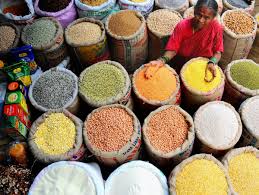
Global food prices continued their downward trend in January 2026, marking the fifth consecutive month of decline, according to the latest data released by the United Nations Food and Agriculture Organization (FAO). The easing of prices was primarily driven by sharp reductions in dairy and sugar prices, offering some relief to food-importing countries amid ongoing economic uncertainties.
The FAO Food Price Index, which tracks monthly changes in the international prices of a basket of key food commodities, fell again in January as global supply conditions improved for several products. Dairy prices registered the steepest decline, reflecting ample export availability from major producing regions and softer global demand. Sugar prices also dropped notably, supported by improved production prospects in key exporting countries and favourable weather conditions.
However, the overall downward trend was partially offset by modest increases in cereal and vegetable oil prices. FAO noted that cereal prices edged higher due to firm global demand and concerns over weather-related risks in some major producing regions. Vegetable oil prices also strengthened slightly, supported by higher palm and soybean oil prices, driven by supply tightness and sustained import demand from Asia.
Alongside price developments, FAO revised its outlook for global cereal production upward. The agency now estimates total global cereal output in 2025 at around 3.023 billion tonnes, the highest level ever recorded. The upward revision reflects better-than-expected harvests in several major producing countries, particularly for maize and wheat, helped by improved yields and expanded acreage.
With production rising faster than consumption, global cereal stocks are also projected to increase. FAO said the global stocks-to-use ratio for cereals is expected to reach its highest level since 2001, indicating a comfortable supply situation in international markets. Higher stock levels are seen as a key stabilising factor for prices, helping to cushion markets against potential supply shocks linked to climate events or geopolitical disruptions.
Despite the generally positive supply outlook, FAO cautioned that regional disparities remain. Weather volatility, logistical disruptions, and policy uncertainties could still affect local food availability and prices, particularly in vulnerable importing nations. Moreover, higher prices for certain commodities, such as cereals and vegetable oils, may continue to put pressure on food inflation in some regions.
Overall, the January 2026 FAO assessment suggests a more balanced global food market, supported by record cereal production and easing prices for several major commodities. While risks remain, especially from climate-related factors, the current trends point toward improved global food security conditions compared with recent years.


 By
By











