The Food and Agriculture Organization of the United Nations (FAO) has warned of increasing uncertainties in global food commodity markets, highlighting emerging risks to agricultural supplies, international trade and food prices. According to its latest Food Outlook, global food markets are facing a combination of weather-related disruptions, geopolitical tensions, rising agricultural input costs and transportation challenges that could influence commodity availability and market stability during the 2026/27 season.
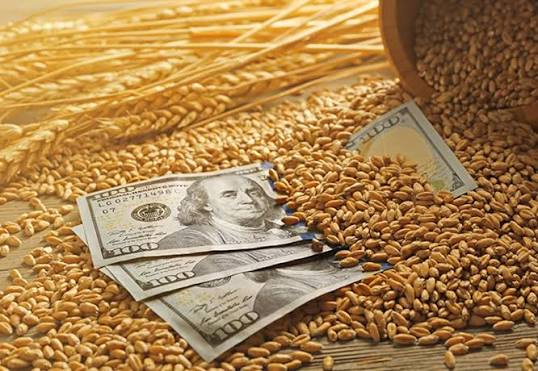
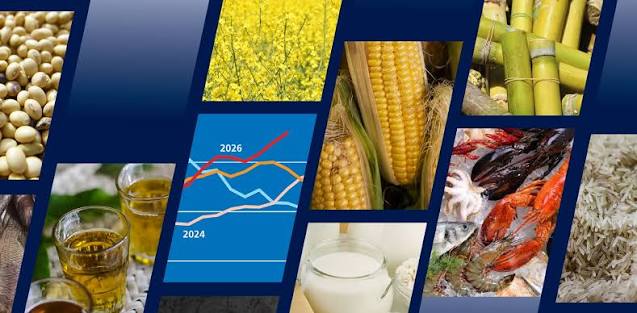
While the overall global supply situation for wheat and coarse grains remains relatively comfortable, concerns are growing over the availability of several other important agricultural commodities, particularly rice, sugar and vegetable oils. These commodities are experiencing tighter supply conditions, making their markets more vulnerable to changes in production, international trade and consumption patterns.
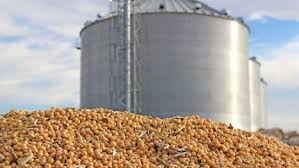
One of the key findings highlighted in the outlook is the expected increase in global cereal stocks. FAO forecasts that worldwide cereal inventories could rise by approximately 1.8% by the end of the 2026/27 season. Higher stock levels could provide an additional buffer against unexpected supply disruptions and help support market stability. However, the overall picture remains uneven across different crops and regions.
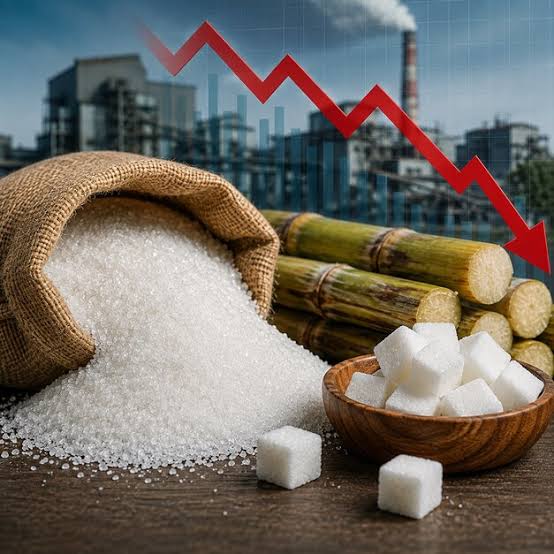
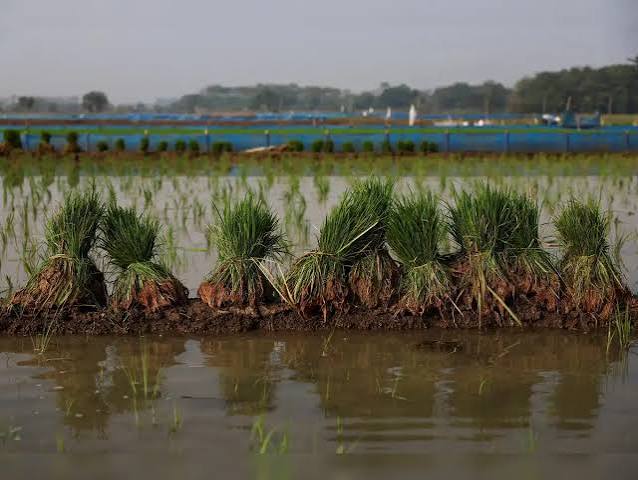
Rice markets are among the areas attracting attention because of tightening supply conditions. Changes in production, export availability and domestic consumption in major rice-producing countries could influence international trade flows. Similarly, the sugar market remains exposed to weather variability and production uncertainties in key exporting countries. Vegetable oils are also facing supply-related challenges, with production conditions, export policies and global demand playing important roles in determining future prices.
Weather conditions remain a major factor influencing agricultural production worldwide. Irregular rainfall, droughts, floods and changing temperature patterns can affect crop development, reduce yields and disrupt harvesting activities. Such developments may create additional pressure on agricultural commodity markets, particularly when production is already facing supply constraints.
Geopolitical uncertainty is another important concern for the global agricultural sector. Trade restrictions, regional conflicts and disruptions to international shipping routes can increase transportation costs and delay the movement of agricultural products. These challenges may affect the availability of food commodities in import-dependent countries and create additional uncertainty for international buyers and sellers.
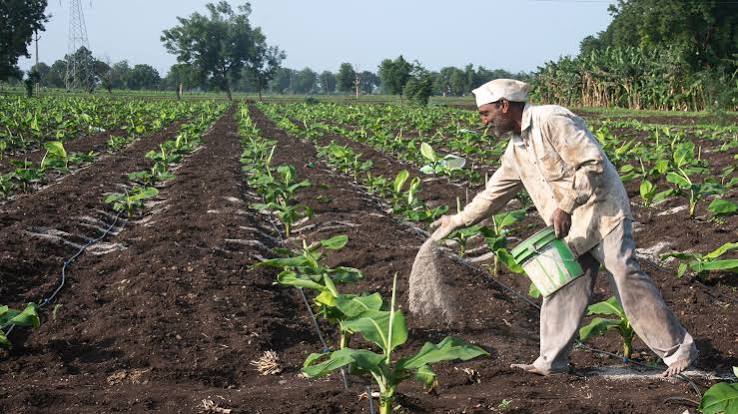
Rising fertilizer and other agricultural input costs could further complicate the production outlook. Fertilizers, fuel, energy and logistics are essential components of modern agricultural systems. Higher costs may influence farmers’ decisions regarding crop selection, fertilizer application and cultivated areas, potentially affecting production levels in subsequent seasons.
The developments highlighted by FAO underline the importance of strengthening global food supply chains, improving agricultural resilience and maintaining predictable international trade. Governments and policymakers may need to focus on better market monitoring, efficient storage systems, climate-resilient farming practices and improved access to agricultural inputs.
Overall, although rising global cereal stocks offer some reassurance, tighter supplies of rice, sugar and vegetable oils indicate that risks remain uneven across agricultural commodity markets. The balance between production, consumption, trade and weather conditions will be crucial in determining global food market trends throughout the 2026/27 season.

 By