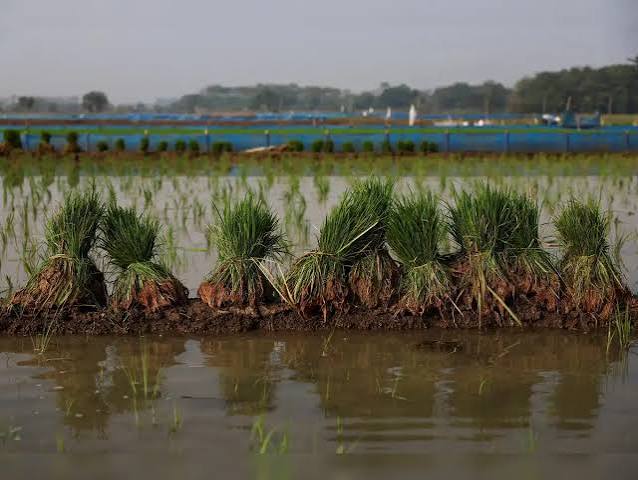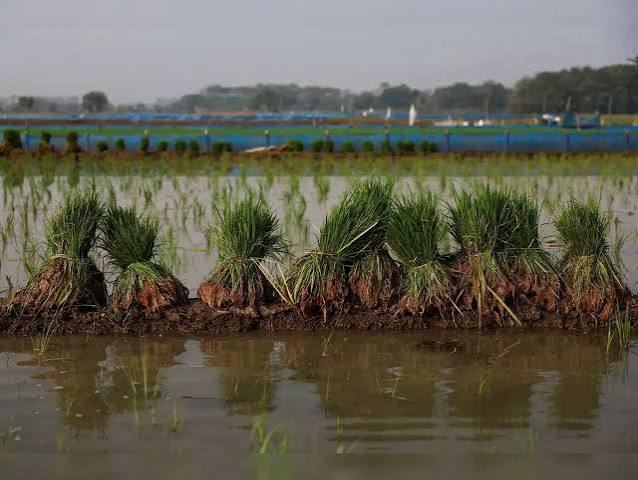
Global rice production is expected to decline for the first time in four consecutive seasons during the 2026/27 marketing period, raising concerns about weather-related risks, agricultural profitability and the stability of international rice markets. According to the Food and Agriculture Organization (FAO), weaker producer margins and unfavourable weather conditions associated with the developing El Niño phenomenon are contributing to the expected reduction in global output.
Rice is one of the world’s most important staple food crops, providing a major source of calories for billions of people, particularly across Asia and parts of Africa. Any significant decline in production can have implications for food availability, international trade and domestic prices, especially in countries where rice represents a substantial share of daily food consumption.
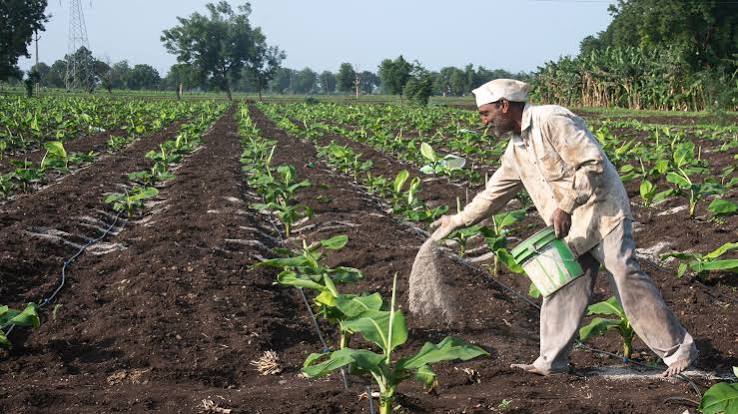
One of the major factors influencing the current production outlook is the pressure on farmers’ profit margins. Higher cultivation expenses, including fertilizer, fuel, labour and irrigation costs, have increased the financial burden on rice producers in several agricultural regions. At the same time, uncertainty over market prices and farm-level returns may discourage farmers from expanding cultivation or investing in higher-cost production practices.
Weather conditions are another major concern for the upcoming rice season. The developing El Niño phenomenon could influence rainfall distribution, temperature patterns and water availability across important rice-producing regions. Changes in monsoon behaviour, prolonged dry spells and higher temperatures can affect crop establishment, flowering and grain development, potentially reducing yields.
Major rice-producing countries in Asia are particularly exposed to changing weather patterns because rice cultivation in many regions depends heavily on seasonal rainfall and irrigation systems. Water shortages during critical crop growth stages can create additional pressure on farmers, while excessive rainfall and flooding may also damage standing crops and disrupt harvesting operations.
Despite the expected decline in production, FAO indicates that substantial carry-in stocks are likely to help maintain global rice reserves at relatively high levels. Carry-in stocks refer to the quantities of rice remaining from previous marketing seasons that are available for use during the current period. These inventories can help bridge the gap between production and consumption, reducing the immediate pressure on global supplies.
However, the availability of adequate reserves does not eliminate all market risks. The distribution of stocks, export policies, domestic consumption requirements and international trade decisions will influence how effectively existing inventories can support importing countries.
The situation also highlights the importance of improving climate resilience in rice farming. Investments in efficient irrigation, drought-tolerant rice varieties, improved water management, climate-based crop advisories and modern farming technologies could help farmers manage increasingly unpredictable weather conditions.
Governments and agricultural institutions may also need to strengthen early-warning systems, improve access to quality seeds and ensure timely availability of fertilizers and other essential inputs.
Overall, the expected decline in global rice production during 2026/27 marks an important development for the international agricultural sector. Although substantial existing stocks are expected to provide a degree of market stability, the combination of El Niño-related weather risks and weaker producer margins could influence future production and trade patterns. Developments in major rice-growing regions will therefore remain crucial for global food security and international rice markets.

 By