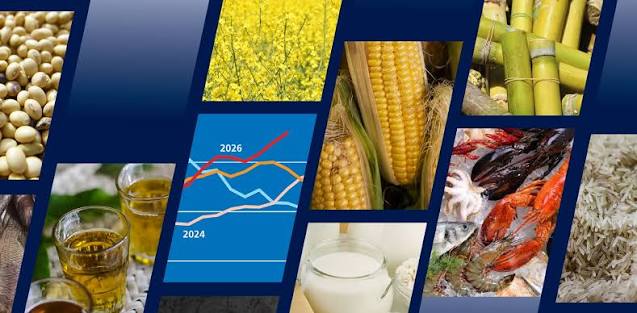
Global oilseed production is expected to reach record levels during the 2026/27 marketing season, reflecting expanding cultivation, improved production prospects and growing demand for vegetable oils across international markets. However, strong consumption, particularly from the biofuel industry, could limit the growth of global stocks and create new challenges for the international oilseed trade.
The expected increase in production is likely to influence major oilseed commodities, including soybeans, rapeseed, sunflower seed and other oil-bearing crops. These commodities play a crucial role in global agriculture, supplying raw materials for edible oils, animal feed, food processing and industrial applications.
One of the major factors supporting the expansion of the oilseed sector is the increasing demand for vegetable oils. Population growth, changing food consumption patterns and expanding food-processing industries are contributing to higher consumption worldwide. At the same time, the growing use of vegetable oils in biofuel production is creating an additional source of demand.
The biofuel industry has become an increasingly important driver of agricultural commodity markets. Several countries are promoting renewable fuels to reduce dependence on fossil fuels and support energy security. As a result, soybean oil, rapeseed oil, palm oil and other vegetable oils are being used in biodiesel and renewable diesel production. This growing industrial demand could intensify competition between food, fuel and industrial applications.
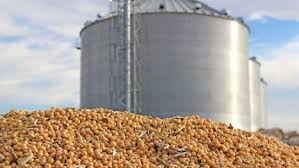
Soybeans are expected to remain a particularly important commodity in the global oilseed market. Apart from their use in vegetable oil production, soybeans provide soybean meal, a major protein ingredient in livestock and poultry feed. Changes in soybean production and processing can therefore influence both vegetable oil availability and international animal feed markets.
Rapeseed is another important crop, particularly in Europe, Canada and parts of Asia. Its oil is widely used in food products and biofuel manufacturing. Similarly, sunflower seed production contributes significantly to global vegetable oil supplies, making its availability important for international edible oil markets.
Despite the positive production outlook, the possibility of tighter global stocks remains a concern. If consumption increases faster than production, the additional output may not translate into a substantial rise in inventories. Strong demand from biofuel manufacturers could further influence prices and trade flows, particularly if supplies become concentrated among a limited number of exporting countries.
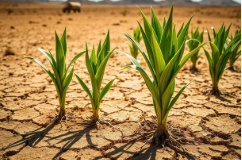
Weather conditions will also remain an important factor in determining actual production levels. Droughts, excessive rainfall, heat stress and changing seasonal patterns can affect crop yields in major producing regions. International trade policies, export restrictions, transportation costs and currency fluctuations may also influence the availability and pricing of oilseed products.
For farmers, the expected expansion in global oilseed demand could create opportunities to improve farm incomes through crop diversification and market-oriented production. However, profitability will depend on input expenses, local procurement prices, yield performance and international market conditions.
The development also highlights the importance of strengthening oilseed research, improving high-yielding and climate-resilient varieties, expanding processing infrastructure and developing efficient supply chains.
Overall, record oilseed production in 2026/27 could support the expanding global vegetable oil industry. However, rising demand from the food and biofuel sectors may keep pressure on inventories and influence international commodity prices. The balance between production growth, industrial consumption and global trade will remain a key factor shaping the future of the oilseed market.

 By