Global fertilizer production and affordability are emerging as major concerns for the agricultural sector in 2026, as disruptions to energy supplies, manufacturing operations and international trade put pressure on the availability of essential agricultural inputs. The Food and Agriculture Organization (FAO) has highlighted growing concerns over nitrogen fertilizer supplies and deteriorating affordability across several major agricultural markets.
According to FAO, global production of nitrogen fertilizers, including ammonia and urea, is expected to decline in 2026. The anticipated reduction could create additional challenges for farmers, fertilizer manufacturers and importing countries that depend on stable international supplies to support agricultural production.
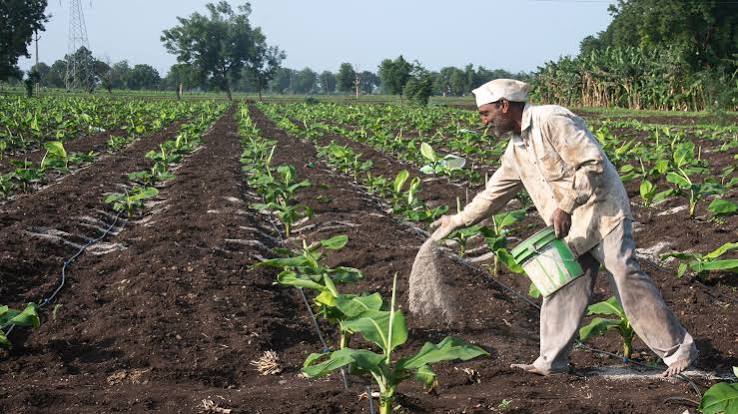
Nitrogen fertilizers play a critical role in modern agriculture by supporting plant growth, improving crop development and contributing to higher yields. Urea and ammonia are among the most widely used nitrogen-based fertilizers worldwide. Any significant disruption in their production or distribution can affect farming operations, particularly during important sowing and crop-growth periods.
One of the major factors behind the expected decline in fertilizer production is uncertainty in global energy markets. Natural gas is a key raw material and energy source for ammonia manufacturing, making fertilizer production particularly sensitive to fluctuations in gas availability and prices. Disruptions to energy supplies can increase manufacturing expenses, reduce plant operating capacity and affect the availability of nitrogen fertilizers in international markets.
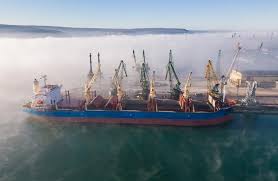
International trade disruptions are adding further pressure to fertilizer supply chains. Fertilizers are traded across borders through complex transportation and distribution networks. Shipping difficulties, geopolitical tensions, export restrictions and higher freight costs can delay deliveries and increase the final prices paid by importers and farmers.
Another major concern identified by FAO is the deterioration in fertilizer affordability. In several important agricultural markets, fertilizer prices have become increasingly expensive relative to the prices farmers receive for their crops. This reduces purchasing power and makes it more difficult for agricultural producers to maintain their normal input requirements.
When fertilizer costs rise faster than crop prices, farmers may respond by reducing fertilizer application rates, postponing purchases or shifting towards crops requiring lower input expenditure. Although these decisions may help control short-term cultivation costs, insufficient nutrient application can affect soil fertility, crop development and overall agricultural productivity.
The impact could be particularly significant for small and medium-scale farmers, who often operate with limited financial resources and have less flexibility to absorb sudden increases in input prices. Developing countries that depend heavily on imported fertilizers may also face additional challenges in maintaining affordable supplies.
The situation highlights the importance of strengthening domestic fertilizer manufacturing, improving energy efficiency and diversifying international supply sources. Governments can also support farmers through transparent fertilizer distribution systems, timely availability of agricultural inputs and effective soil-testing services.
In addition, balanced nutrient management, organic manure, compost, biofertilizers and precision fertilizer application can help improve nutrient-use efficiency and reduce unnecessary input expenditure. However, these approaches should complement, rather than automatically replace, the nutrient requirements established through scientific soil and crop assessments.
Overall, declining nitrogen fertilizer production and worsening affordability could become significant challenges for global agriculture in 2026. Maintaining reliable fertilizer supplies at affordable prices will be essential for protecting farm profitability, sustaining crop yields and strengthening global food security. Developments in energy markets, fertilizer manufacturing and international trade will remain important factors shaping the agricultural outlook.

 By