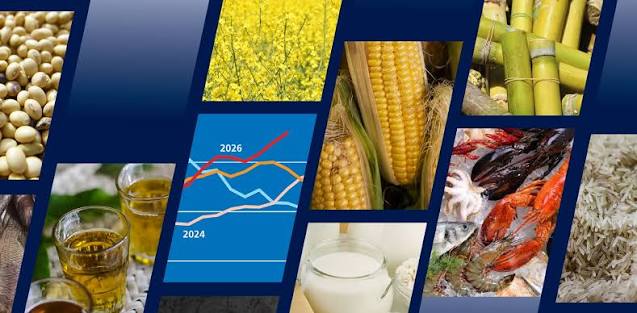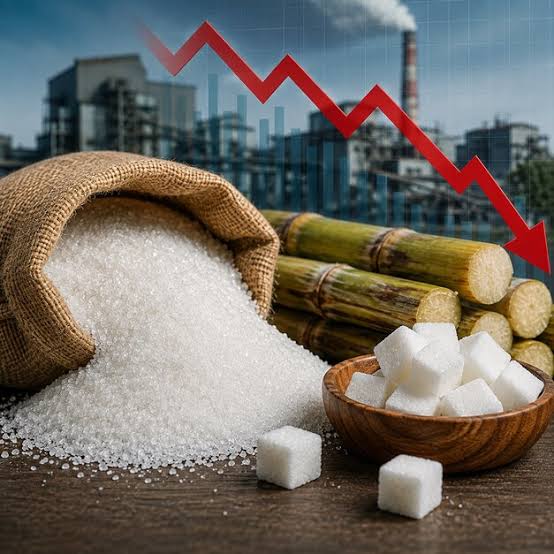
The global sugar market is heading towards a tighter supply situation during the 2026/27 marketing season, as worldwide production is forecast to fall below anticipated consumption. The Food and Agriculture Organization (FAO) has highlighted concerns over declining sugar output, indicating that the imbalance between production and demand could influence international prices, agricultural trade and the food processing industry.
According to the latest FAO outlook, global sugar production is expected to decline during the upcoming season, while consumption is likely to remain higher. Such a production-consumption gap could put pressure on available sugar inventories and increase the importance of international trade in meeting the requirements of importing countries.
Sugar is an important agricultural commodity used in household consumption, food processing, beverages, confectionery and several industrial applications. It is primarily produced from sugarcane and sugar beet, with major producing countries playing an important role in determining global market conditions.
One of the major concerns for the international sugar industry is the impact of weather conditions on sugarcane and sugar beet production. Irregular rainfall, drought, excessive temperatures and changing seasonal patterns can affect crop development, sugar recovery rates and overall output. Since sugarcane is a relatively long-duration crop, unfavourable weather conditions can influence production prospects over an extended period.
International sugar prices have increased in recent months as traders respond to concerns about tightening supplies. Market participants are closely monitoring production prospects in major exporting countries, inventory levels and changes in global consumption. If production remains below demand, the availability of exportable supplies could become increasingly important for international buyers.
The changing supply outlook could have significant implications for sugar-importing countries. Nations that depend heavily on international purchases may face higher import expenses, particularly if global prices and transportation costs increase simultaneously. This could also create additional pressure on domestic food industries and manufacturers that use sugar as a key raw material.
Food and beverage manufacturers may experience higher production costs if sugar prices remain elevated. Companies involved in confectionery, bakery products, packaged foods and soft drinks could face pressure to manage expenses while maintaining competitive product prices.
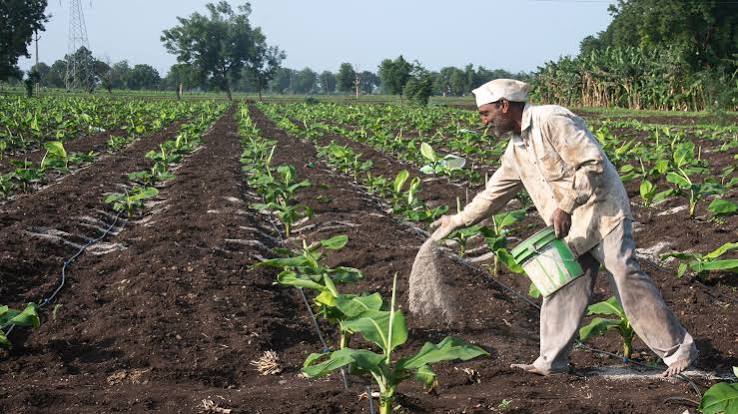
For sugarcane farmers, the changing international market environment could create both opportunities and uncertainties. Higher sugar prices may improve revenue prospects for producers, but the actual benefits will depend on local procurement prices, production costs, recovery rates and government policies. Rising expenses for fertilizers, fuel, irrigation and labour could also influence farm profitability.
The situation highlights the importance of improving sugarcane productivity through better crop varieties, efficient irrigation, balanced nutrient management and modern agricultural practices. Strengthening storage facilities, processing efficiency and supply chain infrastructure could also help reduce market disruptions.
Governments and industry stakeholders will need to monitor production estimates, consumption trends and international inventory levels to respond effectively to changing market conditions.
Overall, the expected decline in global sugar production during 2026/27 could create a tighter international market, with consumption potentially exceeding available output. The movement of sugar prices will depend on actual harvest results, export availability, weather conditions and demand trends. Developments in major sugar-producing regions will therefore remain important for farmers, traders, food manufacturers and importing countries worldwide.

 By