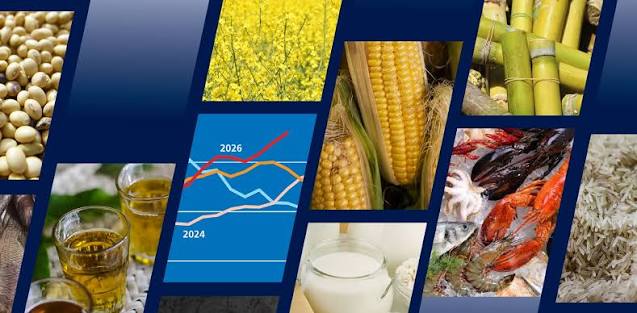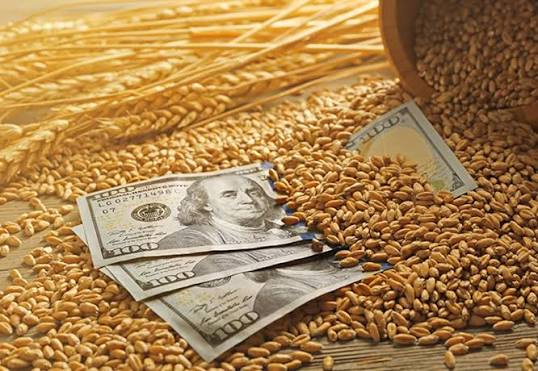
The global food import bill is projected to increase by 1.9% to approximately $2.267 trillion in 2026, reflecting continued growth in international food trade despite a slower pace of expansion compared with 2025. The Food and Agriculture Organization (FAO) expects rising import expenditure on cereals and oilseeds to contribute significantly to the overall increase, while lower international coffee and cocoa prices could help moderate the growth in global food import costs.
According to FAO’s latest assessment, the projected increase indicates that countries worldwide will continue to spend substantial amounts on importing agricultural commodities and food products. However, the slower growth rate suggests that international food import expenditure is becoming more moderate compared with the previous year.
One of the key developments highlighted in the outlook is the expected increase in spending on cereals. Global expenditure on cereal imports is projected to rise by approximately 3% in 2026. Cereals, including wheat, rice and maize, are essential commodities for human consumption, livestock feed and food processing industries. Their availability and prices have a direct influence on food security and agricultural markets, particularly in countries that depend heavily on imports.
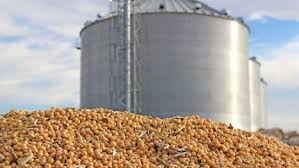
Oilseeds are expected to record an even stronger increase in import expenditure. FAO projects that global spending on oilseed imports will rise by approximately 9.9% during 2026. This increase reflects the continued importance of oilseeds and their derivatives in international food and agricultural supply chains.
Soybeans, rapeseed and sunflower seeds are widely traded for their use in vegetable oil production, animal feed and food manufacturing. Growing demand from the food processing and biofuel industries is contributing to the importance of these commodities in global agricultural trade.
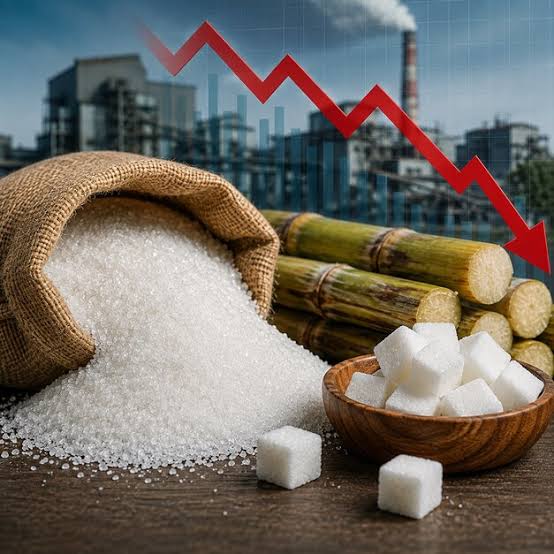
In contrast, lower international coffee and cocoa prices are expected to limit the overall rise in food import expenditure. Both commodities are important components of international agricultural trade, supplying major beverage, confectionery and food manufacturing industries. Changes in their international prices can significantly influence the import bills of countries that purchase large quantities of these products.
The global food import bill is also influenced by several other factors, including exchange rate movements, transportation expenses, shipping availability, international trade policies and domestic demand. Countries with weaker currencies may face higher import costs even when international commodity prices remain relatively stable.
For developing and food-import-dependent economies, rising expenditure on essential agricultural commodities can create additional pressure on foreign exchange reserves and national budgets. Higher import costs may also affect domestic food prices, food processing expenses and consumer purchasing power.
The changing trade outlook highlights the importance of strengthening domestic agricultural production, improving storage and transportation infrastructure, reducing post-harvest losses and diversifying import sources. Investments in agricultural research, improved crop productivity and efficient supply chains could help countries reduce their vulnerability to international market fluctuations.
Overall, the projected $2.267 trillion global food import bill for 2026 reflects the continuing importance of international agricultural trade. Although the expected growth rate is relatively moderate, rising expenditure on cereals and oilseeds demonstrates that essential food and agricultural commodities remain significant drivers of global import costs. Developments in commodity prices, production levels and international trade will continue to shape the global food import outlook.

 By