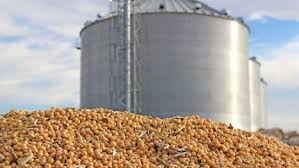
Bangladesh’s annual corn demand could increase from approximately 7 million tonnes at present to nearly 17 million tonnes by 2050, driven by the rapid expansion of its poultry, livestock and aquaculture industries. The projected growth highlights the increasing importance of maize in the country’s agricultural economy and raises questions about long-term feed availability, domestic production and dependence on international imports.
Corn, also known as maize, is a major ingredient in animal feed and plays an essential role in commercial poultry, dairy, livestock and fish farming. As Bangladesh’s population grows and demand for meat, eggs, milk and fish increases, the requirement for affordable and reliable animal feed is also expected to rise.
The poultry industry is among the major drivers of corn consumption in Bangladesh. Commercial poultry farming has expanded to meet increasing demand for chicken meat and eggs. Since maize is a key energy ingredient in poultry feed, growth in the sector is likely to increase the country’s overall requirement for the crop.
The livestock and aquaculture industries are expected to contribute further to this demand. Expanding dairy production, commercial cattle farming and fish cultivation will require larger quantities of balanced feed. Maize is widely used in feed formulations because of its energy content and suitability for livestock and poultry nutrition.
Despite growing consumption, Bangladesh continues to depend on international markets to meet a significant share of its corn requirements. Brazil has emerged as an important supplier, accounting for a substantial proportion of the country’s imported maize. International sourcing helps feed manufacturers maintain supplies when domestic production is insufficient to meet industrial demand.
However, increasing dependence on imports could expose Bangladesh’s feed industry to international price fluctuations, currency movements, transportation expenses and disruptions in global agricultural trade. Changes in export availability from major producing countries could also affect the cost and reliability of supplies.
Climate change presents another important challenge for Bangladesh’s future maize production. Irregular rainfall, flooding, drought, rising temperatures and extreme weather events can affect crop yields and agricultural productivity. Since the country has limited agricultural land and faces competing demands for food production, expanding domestic maize cultivation will require improvements in productivity and resource management.
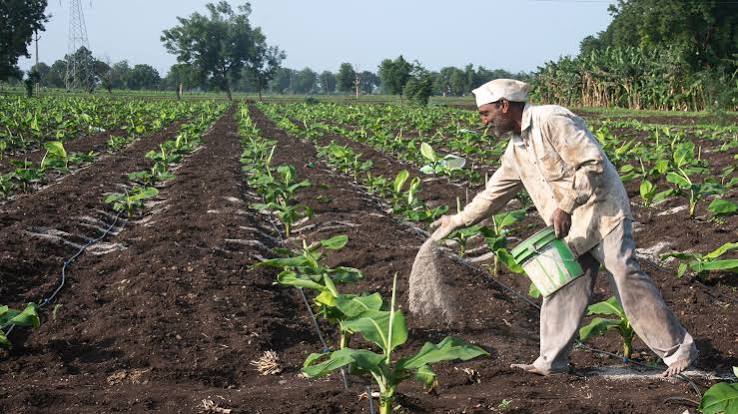
Agricultural experts and policymakers may need to focus on developing high-yielding and climate-resilient maize varieties, improving irrigation facilities, promoting modern farming practices and strengthening agricultural extension services. Better access to quality seeds, balanced fertilizers and mechanisation could also help farmers improve production efficiency.
There may also be opportunities to expand maize cultivation in suitable agricultural regions through improved crop rotations and better utilisation of available farmland. Strengthening domestic production and storage infrastructure could reduce post-harvest losses and improve the availability of maize throughout the year.
For international grain exporters, Bangladesh’s projected demand growth could create additional opportunities in the Asian feed market. Brazil and other major maize-producing countries may remain important suppliers as the country’s poultry, livestock and aquaculture sectors expand.
Overall, Bangladesh’s corn demand could more than double by 2050, making maize an increasingly strategic commodity for its agricultural and food industries. Balancing domestic production with reliable imports will be essential to meeting future feed requirements, controlling production costs and maintaining long-term food and nutritional security.

 By