The concentration of global agricultural commodity markets among a limited number of exporting countries and major trading companies could pose significant risks to international food security, according to research published in Nature Food on November 18, 2026.
The research examines how the global food trade’s dependence on a relatively small group of suppliers, commercial intermediaries and essential agricultural commodities can make food systems more vulnerable to international disruptions. It highlights the importance of understanding market concentration as a key factor in assessing the resilience of global agricultural supply chains.
International agricultural trade plays a critical role in supplying food, animal feed and industrial raw materials to countries that cannot meet their domestic requirements. However, when a large share of global exports comes from only a few countries, disruptions in those regions can have consequences far beyond their national borders.
Such disruptions may arise from extreme weather events, geopolitical tensions, trade restrictions, transport bottlenecks or changes in domestic agricultural policies. If alternative suppliers are limited, importing countries may find it difficult to replace disrupted shipments quickly. This can increase uncertainty in international markets and place additional pressure on food prices and availability.
The influence of major trading companies is another important aspect of market concentration. Large companies play a central role in sourcing, processing, transporting and distributing agricultural commodities. Their position within international supply chains can affect how efficiently products move between producers and consumers. Concentration among these intermediaries may also create vulnerabilities if disruptions affect their operations or trading networks.
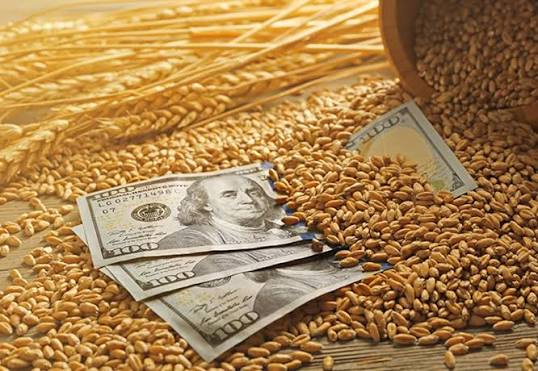
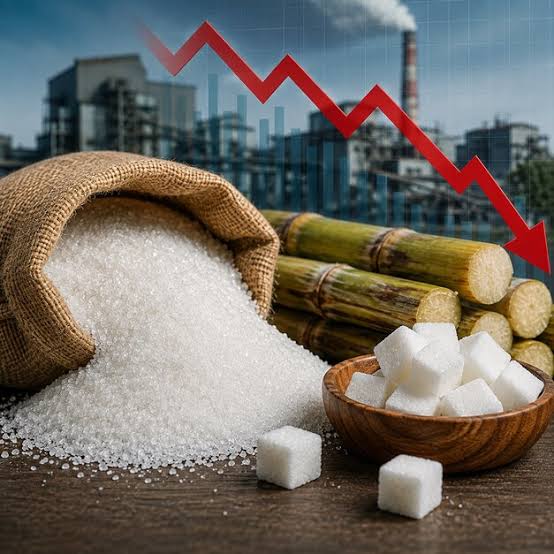
The research also draws attention to dependence on a limited range of essential food commodities. Many countries rely heavily on internationally traded grains, oilseeds and other agricultural products to support food consumption, livestock production and food-processing industries. A shortage or price shock involving a major commodity can therefore affect several interconnected sectors.
For developing and import-dependent economies, these risks can be particularly significant. Countries with limited domestic production capacity, insufficient storage infrastructure or restricted access to alternative suppliers may face greater challenges during periods of international market instability.
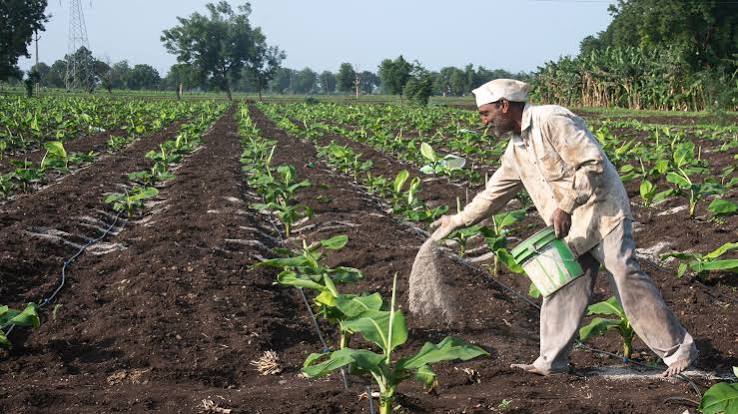
Diversifying agricultural imports and strengthening domestic production are among the measures that can help reduce these vulnerabilities. Countries can also improve food security by developing alternative trade partnerships, investing in storage and logistics infrastructure, supporting climate-resilient agriculture and improving market transparency.
The findings underline the need for governments, policymakers and agricultural businesses to look beyond production volumes when evaluating food security. The structure of international markets, the distribution of export capacity and the availability of alternative suppliers are equally important considerations.
As global agriculture faces growing pressure from climate change, geopolitical uncertainty and changing consumption patterns, building more diversified and resilient supply chains will remain essential. A broader network of suppliers and stronger trade systems can help countries manage disruptions more effectively and protect the stability of global food supplies.

 By