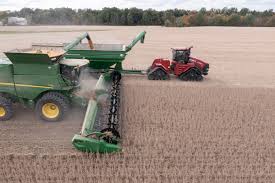
A recent newsmaker segment from Agri-Pulse Newsmakers spotlighted expectations for the U.S. farm economy in 2026, with analysts and industry leaders outlining a cautiously mixed outlook shaped by commodity trends, input costs, and federal policy decisions.
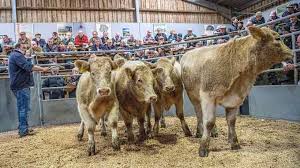
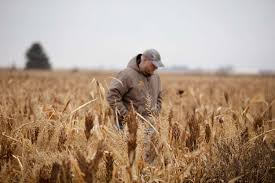
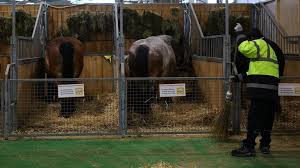
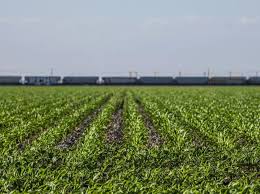
During the discussion, experts noted that while some commodity prices have stabilized compared to recent volatility, margins remain tight for many producers. Grain markets, particularly corn and soybeans, are projected to face moderate price pressure amid ample global supplies and shifting export demand. Livestock markets, meanwhile, could see relative strength, though feed costs and herd rebuilding dynamics remain key variables.
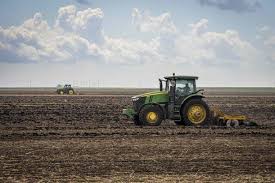
Input costs continue to be a central concern. Although fertilizer and fuel prices have eased from peak levels, they remain elevated compared to long-term averages. Labor availability and interest rates are also influencing cost structures, especially for capital-intensive operations.
Policy developments are expected to play a significant role in shaping producer confidence. Panelists highlighted ongoing debates surrounding the 2026 Farm Bill in the United States, noting that adjustments to reference prices, crop insurance mechanisms, and conservation funding could materially affect farm income stability. Trade policy and export market access were also cited as critical determinants of demand for U.S. agricultural commodities.
The segment underscored that risk management will remain a priority for producers navigating market uncertainty. Strong participation in crop insurance programs and careful cost control strategies were identified as essential tools for maintaining resilience.
Overall, the discussion framed 2026 as a transitional year for the farm economy — one defined less by crisis and more by margin compression, policy recalibration, and strategic adaptation across the agricultural sector.

 By
By