Advanced artificial intelligence and robotics are accelerating a profound transformation in global agriculture, automating labour-intensive tasks and redefining the traditional role of farmers. As next-generation technologies become more accessible, farm operations worldwide are transitioning toward smarter, more data-driven systems designed to boost efficiency, resilience, and productivity.
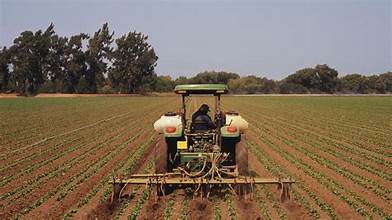
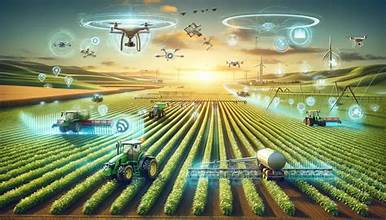
Modern agricultural robots — from autonomous tractors and robotic harvesters to precision weeders and drone-based monitoring systems — are increasingly handling repetitive and physically demanding jobs. Tasks such as soil preparation, seeding, spraying, and crop scouting, once entirely dependent on manual labour, are now being executed with greater speed and accuracy through machine automation.
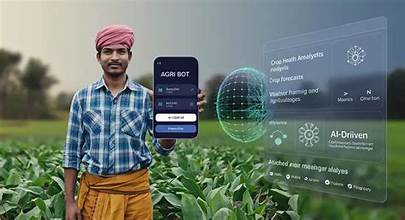
AI-driven analytics are simultaneously reshaping how farmers make decisions. With real-time data on soil conditions, crop health, weather patterns, and pest pressure, growers can fine-tune input usage and optimise crop management strategies. This shift is reducing waste, improving yields, and lowering environmental impacts across farms of all scales.
Experts note that the integration of AI and robotics is not replacing farmers, but transforming their roles. Instead of focusing primarily on field labour, farmers are becoming supervisors of digital systems, interpreters of complex data, and strategic planners who leverage technology to maximise outcomes. In many regions, this transition is also helping address chronic labour shortages that have strained agricultural supply chains.
The momentum is particularly strong in technologically advanced agri-economies such as the United States, Japan, Israel, and parts of Europe, but adoption is rising rapidly in emerging markets as well. Governments and private companies are investing heavily in digital infrastructure, training programs, and innovation hubs to accelerate the deployment of smart farming tools.
However, the rapid pace of technological change also raises concerns. Smallholder farmers may face adoption barriers due to cost, limited digital literacy, and uneven access to connectivity. Analysts argue that unless these gaps are addressed through inclusive policies and targeted support, the benefits of AI-driven agriculture may remain unevenly distributed.
Despite these challenges, the global trajectory is clear: AI and robotics are set to become foundational pillars of modern agriculture. As automation expands and predictive analytics mature, the farmer’s role will continue to evolve — shifting from manual execution to high-level decision-making that shapes the future of food production.

 By
By