A three-day review visit of the Zoology Department at Punjab Agricultural University (PAU) was conducted from March 9 to 11, 2026, to assess ongoing research related to vertebrate pest management in agriculture. The visit was led by Vipin Chaudhary, Network Coordinator of the All India Network Project on Vertebrate Pest Management (AINP-VPM), along with a delegation from Central Arid Zone Research Institute (CAZRI), Jodhpur. Surjit Singh also accompanied the team during the visit.
During the programme, the visiting team held meetings with senior scientists of the university to review the progress and research activities carried out under the AINP-VPM centre at PAU. Detailed discussions were held with Tejdeep Kaur, Head of the Department and Principal Ornithologist, Neena Singla, Principal Zoologist (Rodents), B. K. Babbar, Principal Zoologist, and Manoj Kumar, Senior Ornithologist, regarding the scientific work and progress achieved at the centre.
Inspection of Laboratories and Research Facilities
On March 10, the delegation visited the Rodent Research Laboratories and Ornithology Laboratory of the Zoology Department at PAU. During the visit, interactions were held with scientists and postgraduate students to discuss ongoing studies related to molecular identification of rodents, their biology, behaviour and management strategies.
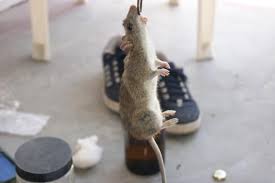
The team also inspected the Experimental Rattery facility where a live demonstration of rodent behaviour was presented. Meetings were further held with departmental staff to review project implementation and collaborative research efforts being carried out under the national network programme.
Assessment of Crop Protection Measures in Farmers’ Fields
As part of the field evaluation, the expert team interacted with farmers in Rajapur and Gorsian villages of Ludhiana district. They reviewed measures being adopted to prevent crop damage caused by wild boars, including electric fencing, polynet barriers and olfactory repellents. These interventions are currently being tested in wheat fields and poplar-based agroforestry systems.
The team also discussed habitat-specific management strategies for vertebrate pests in areas located near the catchment of the Sutlej River.
Visit to Other Research Centres
The delegation visited experimental fields of the Borlaug Institute for South Asia (BISA), where rodent-related experimental research is being conducted. They also interacted with scientists and progressive farmers at Krishi Vigyan Kendra Langroya and appreciated ongoing efforts to reduce human-wildlife conflict in agricultural landscapes.
In addition, the team inspected orchards and agricultural fields in villages of Shaheed Bhagat Singh Nagar district, including wheat, sugarcane and maize crops as well as peach and plum orchards. Silage units and baler units were also reviewed to assess strategies for mitigating crop losses caused by wildlife and other vertebrate pests.
Discussion on Future Research Strategy
On March 11, the delegation paid a courtesy visit to the Director of Research at PAU and discussed the progress of the AINP-VPM project along with future research strategies. Meetings were also held with senior officials in the university’s Controller’s Office to review financial management and utilisation of project funds.
The team further visited Hasanpur and Chandiala villages in the Dera Bassi block of SAS Nagar district, where field trials on integrated management of nilgai and rodents have been conducted over the past two years.
At the conclusion of the visit, the review team appreciated the efforts of the PAU Zoology Department scientists and noted that active participation of farmers, combined with dedicated research by scientists, is helping advance sustainable vertebrate pest management practices in agricultural ecosystems.


 By
By