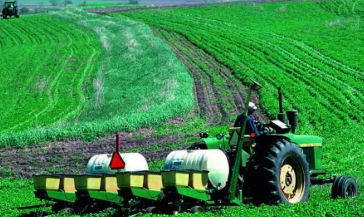
In a significant push towards smarter, more efficient agriculture, the Andhra Pradesh government has launched a comprehensive statewide Farm Machinery Inventory Survey across all villages. The survey, which began in July and will continue until August 31, 2025, is being conducted by agriculture assistants stationed at Rythu Seva Kendras (RSKs). The primary aim is to gather real-time, accurate data on farm machinery currently available in the state—ranging from tractors and harvesters to power sprayers and other critical tools.
This initiative is not just about collecting numbers; it’s about transforming how the state supports its farmers. The data gathered will help the Agriculture Department plan village-level, crop-specific machinery allocations, making sure that the right tools are available in the right places at the right time. For years, farmers have struggled with either a shortage of essential equipment or underutilised machinery lying idle in certain regions. This survey hopes to correct that imbalance.
What makes this effort more robust is the integration with APAIMS 2.0, the state’s digital agriculture database, and the use of FMIS (Farm Management Information System) technology, developed in collaboration with Vassar Labs. This digital platform allows agricultural assistants to log details of every machine—such as make, model, year of purchase, condition, and usage history using just their mobile devices. This not only improves data accuracy but also reduces paperwork and increases transparency.
Farm machinery owned by individual farmers, Farmer Producer Organisations (FPOs), Primary Agricultural Cooperative Societies (PACS), and even private service providers will be accounted for. Both government-subsidised and privately purchased equipment are being included, ensuring a full picture of Andhra Pradesh’s mechanisation landscape.
According to Agriculture Director S. Dilli Rao, the idea is to use this data for targeted intervention. Instead of allocating equipment blindly across districts, the department will now be able to analyse exactly where there is a shortage and what kind of machinery is required based on cropping patterns. This is expected to particularly benefit small and marginal farmers, who often miss out on the benefits of farm mechanisation due to lack of access or high rental costs.
This survey is a continuation of the state’s strong emphasis on technology-led agriculture. Earlier this year, the government disbursed farm machinery worth ₹60.53 crore to over 25,000 farmers, giving subsidies upfront to make it easier for farmers to purchase equipment. All transactions were done through the Karshak Portal, ensuring a transparent and efficient process.
As the data from the current survey is compiled, it will also feed into the expansion of Custom Hiring Centres (CHCs), where farmers can rent equipment at affordable rates. These CHCs, once linked to the new digital database, will allow real-time bookings, payment tracking, and potentially even drone-based spraying services in the near future.
Officials believe this kind of data-driven approach is the future of Indian agriculture. With better information, planning becomes easier, wastage is reduced, and productivity can increase across the board. Farmers, especially in remote and tribal areas, stand to benefit the most from this shift, as resources will now be allocated based on actual need rather than estimates.
As Andhra Pradesh races to complete the survey by the end of August, district agricultural officers have been instructed to ensure timely and accurate data collection. With this step, the state is moving closer to a fully digital, modern agricultural system, designed to empower farmers, reduce manual burdens, and increase overall farm efficiency.


 By
By