Beef producers across the United Kingdom are facing mounting financial strain as extreme weather patterns deliver what industry leaders describe as a “double hit” to production systems. Prolonged drought conditions earlier in the season sharply reduced grass growth and hay yields, followed by periods of intense rainfall that left pastures waterlogged and difficult to manage.
Farmers report that dry spells limited silage and forage reserves, forcing many to purchase supplementary feed at elevated market prices. Just as producers began adjusting to tight fodder supplies, heavy rains disrupted grazing rotations, compacted soils, and increased the risk of livestock health issues linked to wet conditions.
Agricultural analysts say the combination of reduced home-grown feed and higher purchased input costs is squeezing already narrow profit margins. Beef producers typically operate on long production cycles, meaning short-term climatic shocks can have multi-season financial consequences. Lower forage availability can reduce weight gain efficiency, extend finishing periods, and elevate veterinary and feed expenses.
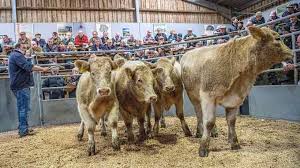
Industry representatives warn that sustained climate volatility may accelerate structural changes in the sector. Some producers are reportedly considering herd reductions to manage feed costs and cash flow pressures. A contraction in cattle numbers, while stabilizing individual farm finances in the short term, could have longer-term implications for domestic beef supply and rural economies.
The situation highlights the growing challenge of climate adaptation in temperate livestock systems. Increased frequency of extreme weather — including alternating droughts and intense rainfall — complicates pasture management and feed planning. Experts are encouraging greater investment in resilient forage systems, improved drainage infrastructure, and diversified feed strategies to mitigate risk.
While policy support mechanisms and insurance frameworks offer partial relief, producers emphasize that profitability ultimately depends on stable production conditions. As weather variability intensifies, the British beef sector faces a pivotal period of adjustment, balancing economic viability with long-term climate resilience.

 By
By