A growing combination of climate shocks and geopolitical conflict is pushing the global food system toward a critical tipping point. According to a recent warning by the World Bank, disruptions in food and fertilizer supply chains could drive up to 45 million additional people into hunger by mid-2026.
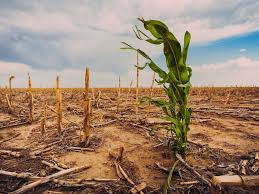
The report highlights how multiple crises are converging to create unprecedented pressure on global food security. Extreme weather events—such as droughts, floods, and heatwaves—are increasingly damaging crops and reducing agricultural productivity across key regions. At the same time, ongoing conflicts are disrupting trade routes, limiting access to essential inputs like fertilizers, and driving up transportation and energy costs.
Fertilizer shortages, in particular, are emerging as a major concern. Many countries rely heavily on imports for key nutrients such as nitrogen, phosphorus, and potassium. When supply chains are disrupted, farmers are forced to reduce usage, which directly affects crop yields. Lower production, in turn, leads to reduced food availability and higher prices in both local and global markets.
The World Bank warns that the impact will be most severe in low- and middle-income countries, where households already spend a large share of their income on food. In these regions, even small increases in food prices can significantly reduce access to basic nutrition, pushing vulnerable populations closer to hunger and malnutrition.
Sub-Saharan Africa, parts of South Asia, and conflict-affected regions in the Middle East are identified as the most at risk. In these areas, existing challenges such as poverty, weak infrastructure, and political instability further limit the ability to respond effectively to rising food insecurity.
Another critical factor is the rising cost of energy, which affects every stage of the food supply chain—from fertilizer production to farm operations and transportation. As energy prices increase, so do the costs of growing, processing, and distributing food, adding further strain on already fragile systems.
Humanitarian organizations and governments are being urged to act swiftly. The World Bank emphasizes the need for coordinated global efforts to stabilize food markets, ensure the free flow of agricultural trade, and support farmers with access to affordable inputs. Expanding social safety nets and food assistance programs is also seen as essential to protect the most vulnerable populations.
At the same time, experts stress the importance of long-term solutions. Investing in climate-resilient agriculture, improving water management, and promoting sustainable farming practices can help reduce vulnerability to future shocks. Strengthening local food systems and reducing dependence on imports are also key strategies for building resilience.
The warning serves as a stark reminder of how interconnected the world’s food systems have become. Climate change, conflict, and economic instability are no longer isolated challenges—they are deeply intertwined forces shaping the future of global food security.
In conclusion, the potential for 45 million more people to fall into hunger underscores the urgency of immediate and sustained action. Without coordinated efforts at both national and international levels, the global hunger crisis could deepen further, affecting millions of lives and threatening long-term development goals.


 By
By