Climate change is emerging as one of the most significant long-term threats to global food production, with growing evidence that rising temperatures and shifting rainfall patterns are undermining the viability and productivity of staple food crops worldwide. Recent research underscores that these climate-driven pressures could substantially reduce the areas suitable for cultivating key staples such as rice, maize and wheat, particularly in low-latitude and climate-vulnerable regions.
Higher average temperatures are already affecting crop growth cycles by accelerating plant development and shortening grain-filling periods, which can lead to lower yields. Heat stress during critical stages such as flowering and pollination is especially damaging for cereals, increasing the risk of crop failure. In many tropical and subtropical regions, temperatures are approaching or exceeding optimal thresholds for staple crops, leaving farmers with limited adaptation options.
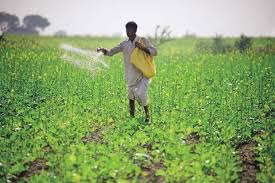
Changes in precipitation patterns further compound these risks. More frequent droughts, erratic monsoons and intense rainfall events are disrupting traditional planting calendars and increasing yield variability. In rainfed agricultural systems, which dominate much of Africa, South Asia and parts of Latin America, unreliable rainfall directly translates into higher production risk and income instability for farmers.
Research suggests that low-latitude regions are likely to face the most severe impacts, as they have less thermal margin for crops to tolerate additional warming. In contrast, some higher-latitude regions may initially benefit from longer growing seasons, but these gains could be offset by increased weather volatility, soil moisture stress and the spread of pests and diseases.
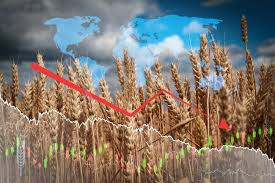
The implications for global food security are significant. Staple crops such as rice, maize and wheat account for the majority of global calorie intake, and sustained declines in their productivity could strain food systems, raise prices and increase reliance on imports in already vulnerable countries. Climate impacts on production may also amplify market volatility, as supply shocks become more frequent and less predictable.
Experts emphasize that adaptation will be critical to mitigating these risks. Strategies include the development of heat- and drought-tolerant crop varieties, improved water management, diversification of cropping systems, and better climate information services for farmers. At the policy level, increased investment in agricultural research, resilient infrastructure and risk management tools will be essential to safeguard future food supplies.
While the most severe consequences are expected over the medium to long term, current trends indicate that climate change is already reshaping agricultural risk profiles. Without coordinated global action to both reduce greenhouse gas emissions and strengthen adaptation, climate pressures are likely to become an increasingly dominant factor influencing global food production and food security outcomes.

 By
By