The Food and Agriculture Organization (FAO) has issued a stark warning about escalating food security risks as disruptions to commodity flows through the Strait of Hormuz continue to reverberate across global markets. According to the FAO’s Chief Economist, the interruption of this strategic maritime corridor is triggering severe shocks across fertiliser, grain, and energy supply chains — with far-reaching consequences for food systems worldwide.
The Strait of Hormuz is a critical lifeline for global trade, particularly for the movement of energy products and key agricultural inputs. The ongoing geopolitical tensions in the region have slowed shipping traffic, increased freight costs, and constrained the flow of natural gas — a primary feedstock for nitrogen fertilisers. These disruptions have already begun tightening fertiliser markets, raising prices at a moment when many countries are preparing for peak planting seasons.
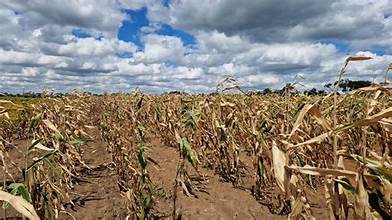
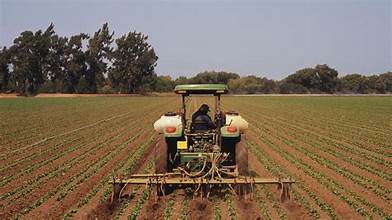
The FAO notes that fertiliser shortages and price surges are among the most dangerous stressors for global agriculture. Reduced access to nitrogen, phosphate, and potash fertilisers can depress yields, especially in developing regions where input usage is already suboptimal. The Chief Economist warned that even short-term supply shocks could cascade into lower crop production, higher food prices, and rising vulnerability among low-income populations.
Energy market volatility is compounding the situation. As fuel prices rise due to restricted exports through the Strait, transportation and farm operation costs are climbing, adding pressure to already fragile food supply chains. Higher shipping premiums and insurance rates for vessels navigating the region are further inflating global trade costs.
The FAO emphasises that while some countries may absorb higher input costs, many food-importing nations are facing heightened exposure. Nations in South Asia, Africa, and parts of the Middle East — already grappling with climate stress and limited fiscal capacity — could see significant impacts on food affordability and availability.
Global organisations are urging coordinated action to stabilise markets, enhance fertiliser access, and strengthen support for vulnerable economies. The FAO reiterated that sustained disruptions in the Strait of Hormuz would have “systemic and long-lasting implications” for global food security if not addressed promptly.


 By
By