A growing fertilizer crisis is raising serious concerns about global food security, as ongoing conflict in the Middle East disrupts critical supply chains. Experts warn that countries heavily dependent on fertilizer imports, including India and Sri Lanka, could face significant agricultural challenges in the coming months.
Fertilizers play a vital role in modern agriculture, directly influencing crop productivity and soil health. However, geopolitical tensions in key regions have affected the production and transportation of essential inputs such as urea, potash, and phosphate. The Middle East, being a major hub for fertilizer production and export, has seen disruptions that are now rippling across global markets.
Supply chain bottlenecks, combined with rising energy costs, have led to a sharp increase in fertilizer prices. Since fertilizer manufacturing is energy-intensive—particularly dependent on natural gas—any spike in fuel prices further compounds the problem. As a result, many countries are struggling not only with shortages but also with affordability.
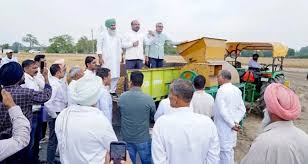
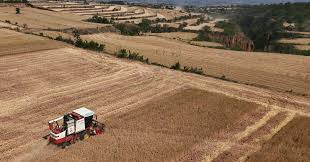
In India, where agriculture supports nearly half of the population’s livelihood, the impact could be particularly severe. Farmers rely heavily on timely fertilizer availability during key sowing seasons. Any delay or reduction in usage due to high costs may lead to lower crop yields, especially for staple crops such as rice and wheat. This, in turn, could affect food supply and push prices higher in domestic markets.
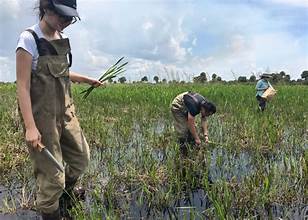
Similarly, Sri Lanka, which has already experienced agricultural disruptions in recent years, is vulnerable to fertilizer shortages. Limited foreign exchange reserves make it difficult for the country to secure adequate imports, further exacerbating the crisis. A decline in crop production could worsen food availability and increase dependency on imports.
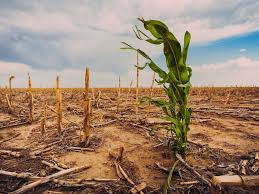
Agricultural experts caution that reduced fertilizer use can have both immediate and long-term consequences. In the short term, it lowers crop output, while in the long run, it can degrade soil fertility if not managed properly. This dual impact poses a serious risk to food systems, particularly in developing nations.
Governments are now exploring various strategies to mitigate the crisis. These include increasing domestic fertilizer production, diversifying import sources, and promoting the use of organic and bio-fertilizers as alternatives. In India, policy measures such as subsidies and supply monitoring are being strengthened to ensure farmers receive adequate inputs.
There is also a growing push toward sustainable agricultural practices that reduce dependence on chemical fertilizers. Techniques such as precision farming, integrated nutrient management, and the use of natural composts are gaining attention as long-term solutions.
Despite these efforts, the situation remains uncertain. If geopolitical tensions persist and supply chains fail to stabilize, the fertilizer crisis could deepen, ultimately threatening global food security. Ensuring steady access to agricultural inputs will be crucial in safeguarding crop production and maintaining food availability for millions around the world.

 By
By