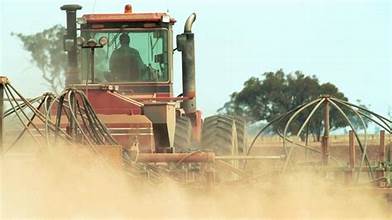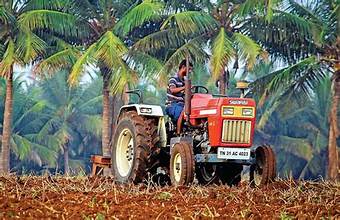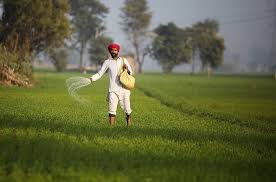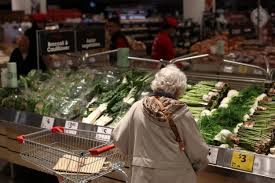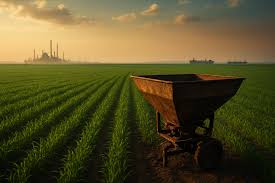
Concerns over global food security are intensifying as fertiliser supply chains face renewed disruption, with ongoing instability in the Middle East affecting critical trade routes. According to market analysts, escalating tensions around the Strait of Hormuz have interrupted the flow of key fertiliser components, raising fears that prolonged shortages could undermine crop production in import-dependent regions.
The Strait of Hormuz remains one of the world’s most strategically important maritime chokepoints, facilitating a substantial share of global nitrogen, phosphate, and potash shipments. Recent geopolitical instability has slowed vessel movement, increased insurance premiums, and restricted the timely delivery of essential fertiliser consignments. Traders report that shipping delays of even a few weeks are already creating price distortions in several regional markets, particularly in Asia and Africa, where countries rely heavily on imported inputs for their agricultural sectors.
Market experts warn that the disruption is occurring at a critical time, as many countries prepare for major planting seasons. Fertiliser affordability and availability play a decisive role in determining crop yields, especially for staples such as wheat, rice, maize, and oilseeds. Higher input prices could force farmers to reduce application rates or shift to lower-yielding cropping patterns, ultimately reducing global output and heightening the risk of food inflation.
Nitrogen fertilisers, which depend heavily on natural gas and ammonia supplies, are among the most vulnerable. Prices have shown upward movement in recent weeks due to supply uncertainty and rising freight costs. Phosphate and potash markets are also tightening, with several import-dependent nations reporting delays in procurement tenders and difficulties in securing long-term contracts.
Agricultural economists caution that prolonged stress in fertiliser supply chains could exacerbate the food security challenges already posed by climate variability, rising energy costs, and conflict-related disruptions in grain and oilseed markets. Many low- and middle-income countries lack buffer stocks or domestic production capacity, making them highly exposed to sudden global market shocks.
International agencies are urging governments to prioritise fertiliser access, expand regional storage facilities, and explore alternative procurement routes to reduce dependency on vulnerable maritime corridors. Some experts also recommend accelerating investment in local fertiliser manufacturing, nutrient-efficient crop varieties, and regenerative agriculture practices that reduce reliance on external inputs.
Despite these proposed measures, the immediate outlook remains uncertain. Shipping companies continue to reroute vessels, increasing transit times and raising overall supply chain costs. If geopolitical tensions persist, analysts warn that the coming crop cycles could experience substantial yield reductions, potentially pushing global food markets into a deeper state of volatility.
As the situation evolves, policymakers and global institutions are closely monitoring developments in the Middle East, recognising that stabilising fertiliser flows will be essential for maintaining agricultural productivity and safeguarding food security worldwide.

 By
By