Global food prices are on the rise once again, signaling renewed pressure on both consumers and agricultural systems worldwide. According to the latest report released by the Food and Agriculture Organization (FAO), international food prices increased by 2.4% in March 2026, marking a noticeable uptick after a relatively stable period earlier in the year.
The FAO Food Price Index, which tracks monthly changes in the prices of globally traded food commodities, revealed that key staples such as wheat, sugar, and vegetable oils have experienced the most significant price increases. Analysts attribute this trend largely to rising energy costs, which continue to ripple across global supply chains.
One of the primary drivers behind this surge is the ongoing geopolitical instability in key energy-producing regions. Conflicts and trade disruptions have led to increased fuel prices, directly impacting agricultural production and transportation costs. Since modern farming heavily depends on fuel for machinery, irrigation, and logistics, any increase in energy prices inevitably pushes up the cost of food production.
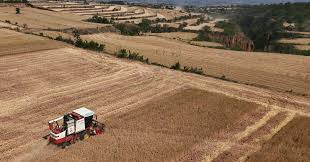
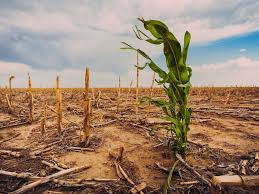
Wheat prices, for instance, have climbed due to both supply concerns and higher export costs. Major wheat-producing regions are facing logistical challenges, compounded by elevated fuel expenses. Similarly, sugar prices have risen as production costs increase and weather conditions affect crop yields in key exporting countries.
Vegetable oils, another crucial component of the global food basket, have also seen sharp price hikes. This is partly due to supply constraints and partly due to increased demand for biofuels, which are closely tied to energy markets. As countries look for alternative energy sources, agricultural commodities are increasingly being diverted for fuel production, tightening food supply.
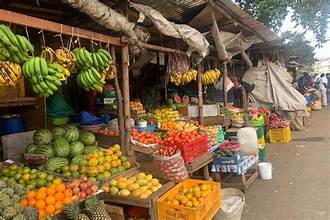
The implications of rising food prices are far-reaching. For developing nations, where a significant portion of household income is spent on food, even a modest increase can lead to food insecurity. Vulnerable populations are particularly at risk, as higher prices reduce access to essential nutrition.
Economists warn that if energy prices remain elevated and geopolitical tensions persist, food inflation could continue in the coming months. This may force governments to reconsider policies related to food subsidies, exports, and imports to stabilize domestic markets.
On the positive side, some experts believe that the situation could encourage innovation in agriculture. There is growing interest in sustainable farming practices, energy-efficient technologies, and localized food systems that are less dependent on global supply chains.
In conclusion, the 2.4% rise in global food prices reported by the FAO serves as a reminder of the interconnected nature of energy, geopolitics, and agriculture. As the world navigates these challenges, coordinated international efforts and adaptive strategies will be crucial to ensuring food security and price stability in the months ahead.


 By
By