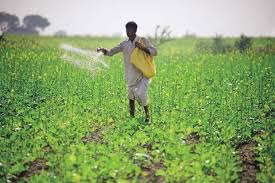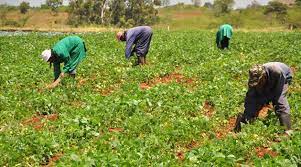
India’s agricultural sector has received a major boost this Kharif season, with farmers across the country achieving record-breaking sowing levels, thanks to a timely and widespread monsoon. According to official data released by the Union Agriculture Ministry, over 70.83 million hectares of farmland have been sown as of July 18 marking a 4.1% increase compared to the same period last year.
Paddy Leads the Surge
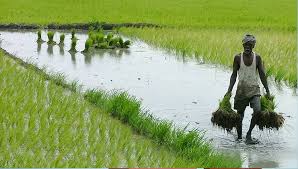
The paddy crop, which forms the backbone of India’s Kharif season, has seen a remarkable 12.4% rise in acreage, now covering 17.67 million hectares. States such as Punjab, Uttar Pradesh, West Bengal, and Chhattisgarh are reporting significantly improved planting figures.
“The early arrival and consistent distribution of monsoon rains have enabled timely sowing operations across major rice-growing belts,” said an official from the Indian Meteorological Department (IMD).
Growth Across Key Crops
Other major crops have also shown strong upward trends:
- Maize (corn): Planted over 7.1 million hectares, buoyed by strong demand in the animal feed and biofuel sectors.
- Pulses: Cultivated on 8.2 million hectares, helping to address domestic shortages.
- Oilseeds (including soybean): Farmers have expanded soybean planting, particularly in Madhya Pradesh and Maharashtra.
- Cotton: Sowing picked up pace in recent weeks, with improved prices driving farmer interest.
Monsoon Boosts Farmer Confidence
Experts credit improved rainfall patterns, government support for inputs, and stable market prices as key reasons for this agricultural momentum. The monsoon, which had a sluggish start in June, quickly picked up pace and has now covered more than 90% of the country, delivering normal to above-normal rainfall in most regions.
“With such promising sowing progress, India is well-positioned for a bumper harvest, which could help ease inflation and support food security,” said Dr. Ramesh Chandra, agricultural economist and former member of NITI Aayog.
A Silver Lining for the Economy
This record Kharif sowing comes as a positive signal for India’s rural economy, which had faced challenges from erratic weather and price volatility over the past year. A strong harvest could improve farm incomes, stabilize commodity prices, and support overall GDP growth.
Government Support in Play
The Centre has also played a proactive role through timely distribution of seeds, fertilizers, and crop advisories via digital platforms. Initiatives like the PM-KISAN, crop insurance schemes, and soil health card programs have further helped farmers plan better.

 By
By