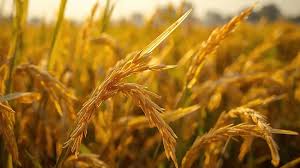
In a significant milestone for global agriculture, India has surpassed China to become the world’s largest rice producer, with annual output exceeding 150 million tonnes. The achievement marks a historic shift in global grain production rankings and underscores India’s expanding agricultural capacity.
The record production has been attributed largely to the widespread adoption of high-yielding and climate-resilient rice varieties developed by the Indian Council of Agricultural Research (ICAR) and its network of research institutions and state agricultural universities. These improved varieties are designed to withstand drought, floods, salinity, and emerging pest pressures—key challenges intensified by climate variability.
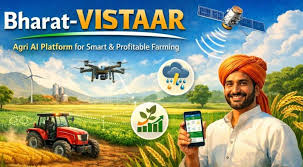
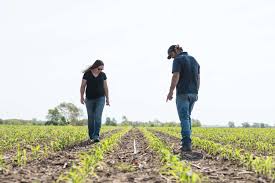
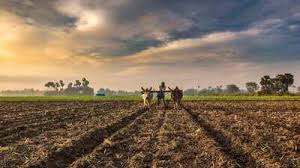
Agricultural experts note that sustained investment in research and development, coupled with enhanced seed distribution systems, has played a pivotal role in boosting productivity. Modern agronomic practices, better irrigation coverage, mechanization, and digital advisory services have further strengthened farm-level efficiency.
India’s rice production growth also reflects policy support through minimum support prices (MSP), procurement systems, and crop insurance schemes that reduce farmer risk exposure. Expansion of cultivation in eastern and central states, along with improved hybrid and bio-fortified varieties, has diversified the production base.
The milestone has significant global implications. As rice is a staple food for more than half of the world’s population, increased output from India strengthens global food security and stabilizes export markets. India already plays a dominant role in global rice trade, and higher production volumes may enhance its position in meeting international demand.
Agricultural economists highlight that maintaining this leadership will require continued innovation, water-use efficiency, and sustainable farming practices. With climate pressures intensifying across Asia, the focus on resilient seed technology and resource-efficient cultivation will remain central to sustaining output levels.
India’s ascent to the top position in global rice production reflects a combination of scientific advancement, farmer participation, and policy support—reinforcing its status as a major agricultural powerhouse on the world stage.

 By
By