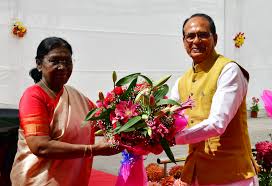
A major global conference held in New Delhi is drawing attention to the critical role of women in agricultural value chains and sustainable food systems. The event brings together policymakers, researchers, and industry leaders to discuss strategies for empowering women farmers and enhancing their participation in modern agriculture.
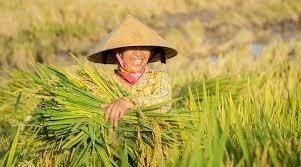
Organizers emphasized that women play a central role in food production, processing, and marketing, yet they often face limited access to resources, technology, and decision-making opportunities. The conference aims to address these challenges by promoting gender-inclusive policies, innovative solutions, and capacity-building initiatives that strengthen women’s contributions to agriculture.
Sessions at the conference focus on key themes such as sustainable farming practices, agro-processing, market linkages, and climate-resilient agriculture. Experts highlighted that improving women’s access to training, credit, and modern technologies can significantly enhance productivity, income generation, and food security in rural communities.
Speakers also underscored the importance of integrating women’s perspectives into agricultural policy and investment planning. Evidence shows that empowering women in agriculture not only boosts household income but also contributes to more resilient and equitable food systems at local, national, and global levels.
The conference serves as a platform for sharing best practices, research findings, and innovative approaches that support women across the agri-food sector. Participants emphasized collaboration between governments, NGOs, private sector actors, and international organizations to create sustainable opportunities for women farmers and entrepreneurs.
By highlighting women’s role in agriculture and food systems, the event reinforces the need for inclusive and equitable policies that drive sustainable growth. Experts believe that recognizing and investing in women’s contributions is essential for achieving global food security and fostering resilient agricultural economies.

 By
By