Global agriculture markets are entering a critical phase as new policy actions, climate forecasts, and scientific developments shape expectations for the 2026 production year. Major updates from the United States, India, and international climate agencies point to a mixed outlook marked by both opportunity and heightened risk.
USDA Funds New Avian Influenza Research
The U.S. Department of Agriculture (USDA) has announced fresh funding for advanced avian influenza (AI) research following recent detections in commercial poultry and dairy cattle. The initiative aims to strengthen surveillance systems, develop rapid diagnostic tools, and improve containment strategies. Scientists say enhanced monitoring is essential to protect both poultry markets and food supply chains, as the virus continues to evolve and pose cross-species transmission risks.
Nitrogen Reduction Support for U.S. Corn Farmers
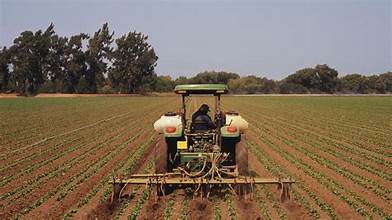
In a separate development, U.S. authorities have expanded financial and technical incentives for corn growers adopting nitrogen-efficient practices. The move targets reductions in fertiliser losses, greenhouse gas emissions, and watershed pollution. Precision nutrient management, biological nitrogen alternatives, and improved application technologies are expected to gain wider adoption under the updated support program. Analysts note that nitrogen optimisation has become central to both environmental compliance and cost management for U.S. farms facing volatile fertiliser markets.
India Braces for Below-Normal Monsoon in 2026
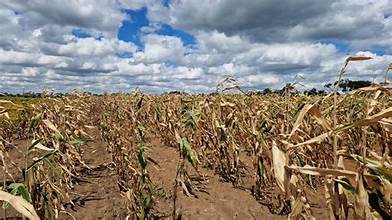
India’s meteorological agencies have issued an early forecast indicating a below-normal monsoon for the 2026 season, raising concerns for crop production and rural incomes. The anticipated rainfall deficit is linked to evolving ocean temperature patterns and delayed monsoon circulation signals. A weak monsoon could impact kharif crops such as rice, pulses, cotton, and oilseeds—while also increasing irrigation demand in drought-prone regions. Policymakers are expected to prepare contingency plans, including seed diversification, crop insurance support, and water-management interventions.
Market and Climate Developments Worldwide
Other global updates point to shifting dynamics in agricultural trade and climate risk:
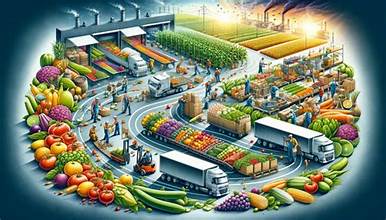
- Commodity markets remain volatile as fertiliser disruptions, geopolitical tensions, and energy price fluctuations continue to influence input costs and supply chain stability.
- Climate monitoring agencies warn of persistent heatwaves and soil-moisture deficits in parts of North America, Europe, and West Asia, posing threats to early-season crops.
- Biosecurity frameworks are being strengthened in several countries amid rising concerns about livestock disease transmission and its potential impacts on food production.
Outlook
While technology investments and sustainability programs present new opportunities for farmers, global agriculture is expected to navigate another challenging year shaped by climate variability, disease risks, and uncertain market conditions. Experts emphasise that coordinated policy responses and rapid adoption of resilient farming practices will be crucial to safeguarding food security in 2026.

 By
By