Rising geopolitical tensions in the Middle East may lead to higher global food prices, as experts warn that disruptions to fertilizer shipments could significantly increase farming costs worldwide. Analysts say the situation could affect agricultural supply chains if trade through the strategically important Strait of Hormuz becomes restricted.
The narrow maritime route connects the Persian Gulf with international waters and is considered one of the world’s most critical energy and commodity shipping corridors. A large share of global fertilizer exports and raw materials used in fertilizer production pass through this route. Any disruption to shipping traffic could slow deliveries and create supply shortages in several agricultural markets.
Industry observers note that fertilizers are a key input for modern agriculture. Countries that depend heavily on imports for nutrients such as nitrogen, phosphorus, and potash could face higher prices if shipping costs rise or supplies become limited. These increased production costs may eventually be passed on to consumers through higher food prices.
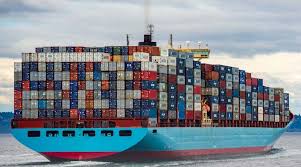
Experts warn that farmers across Asia, Africa, and parts of Europe may be particularly vulnerable because many of these regions rely on fertilizer imports from the Gulf region. If tensions escalate and transportation risks increase, insurance premiums and freight costs for cargo vessels could rise sharply, further pushing up fertilizer prices.
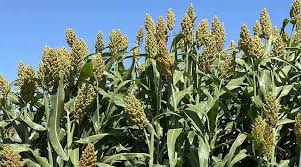
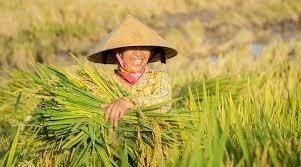
Agricultural economists point out that global food markets are already sensitive to supply disruptions caused by climate change, extreme weather events, and geopolitical instability. Any additional pressure on fertilizer supply could affect crop yields, especially for major food grains such as wheat, rice, and maize.
According to analysts, even a temporary slowdown in shipments through the Strait of Hormuz could ripple across global agricultural markets. Fertilizer shortages may force farmers to reduce application rates, potentially lowering crop productivity and tightening food supplies in the coming seasons.
International agencies and market observers are closely monitoring the situation. If tensions persist, governments may need to explore alternative supply routes, increase domestic fertilizer production, or build strategic reserves to reduce the impact on the agricultural sector.
While the long-term outcome will depend on how the geopolitical situation evolves, experts agree that stable trade routes are essential for maintaining global food security and ensuring that farmers have timely access to key agricultural inputs.

 By
By