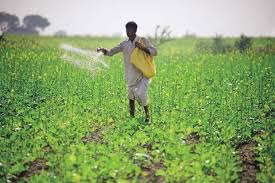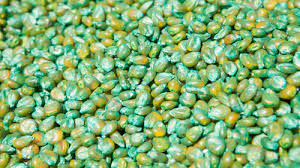
Growing concerns over the widespread availability of fake seeds and highly toxic herbicides have prompted state governments, political leaders, and medical professionals to call for urgent
Maharashtra Pushes for Indigenous Cattle Breeds to Boost Sustainable Dairy Farming
In a significant step towards sustainable agriculture and self-reliant dairy farming, the Dr. Panjabrao Deshmukh Krishi Vidyapeeth (PDKV), Akola has launched a focused campaign to promote and conserve indigenous cattle breeds across Maharashtra. The initiative aims to enhance milk productivity, reduce dependence on crossbreeds, and ensure climate-resilient livestock farming.
The move comes at a time when concerns over the declining population of native breeds and rising input costs in dairy farming have prompted experts to rethink breeding strategies and revive local genetic resources.
“Indigenous breeds like Gir, Sahiwal, Red Sindhi, and Deoni are not only hardy and low-maintenance but also better adapted to Indian climates and feed conditions,” said Dr. S.R. Gadakh, Vice Chancellor of PDKV.
Focus on Sustainability and Profitability
The campaign promotes:
- Selective breeding of native cows to improve per-animal milk yield without compromising disease resistance or adaptability.
- Fodder and silage production units to ensure year-round availability of green feed.
- Biogas and vermicomposting systems using cattle waste to generate on-farm energy and organic fertilizer.
- Training programs for farmers in modern livestock management techniques rooted in traditional knowledge.
Farmer-Centric Approach
PDKV has partnered with local Krishi Vigyan Kendras (KVKs) and dairy cooperatives to organize on-ground workshops, input kits, and veterinary camps. Special focus is being placed on empowering women dairy farmers and marginal landholders by reducing their dependence on high-cost inputs and imported cattle.
Many farmers in Vidarbha, Marathwada, and North Maharashtra have already begun shifting toward indigenous breeds due to their low feeding costs, better heat tolerance, and natural immunity.
A Boost for Natural and Organic Farming
Officials also highlighted that desi cow breeds produce A2-quality milk, which has higher nutritional value and growing demand in the health-conscious urban market. Moreover, their dung and urine are vital inputs for organic farming, Panchagavya preparation, and zero-budget natural farming (ZBNF) practices.
“Promoting indigenous breeds is not just about milk—it’s about building an integrated, circular farm economy,” noted Dr. Gadakh.
Statewide Impact Expected
The initiative aligns with the Maharashtra government’s broader Krishi Samruddhi Yojana, which emphasizes climate-resilient agriculture, local breed preservation, and livestock sustainability. PDKV expects thousands of dairy farmers to benefit over the next two years, potentially reversing the declining trend in desi cattle population.


 By
By