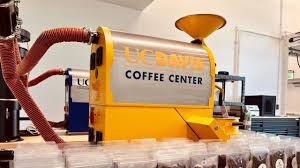
Recent academic collections and scientific research at the University of California, Davis are shedding new light on the agricultural foundations and future innovation of coffee production — one of the world’s most valuable commodity crops.
Researchers at UC Davis have emphasized that coffee is not merely a consumer beverage but a complex agricultural system rooted in plant genetics, soil science, climate adaptation, and global trade networks. As climate change increasingly threatens traditional coffee-growing regions, scientific advancements are becoming central to sustaining productivity and farmer livelihoods.
Studies highlighted by the university focus on crop resilience, genetic diversity, and disease resistance in coffee varieties. With rising temperatures, erratic rainfall, and the spread of pests such as coffee leaf rust, researchers are working to identify and develop cultivars better suited to changing environmental conditions. Genetic preservation efforts are also gaining attention to safeguard heirloom and wild coffee strains that may hold valuable adaptive traits.
In addition to plant science, UC Davis research underscores the importance of sustainable farming systems. Shade-grown coffee, soil health management, and water-efficient cultivation practices are being examined as tools to improve both environmental outcomes and long-term yield stability. These approaches aim to balance ecological stewardship with economic viability for producers.
Innovation is also extending into post-harvest processing. Researchers are studying fermentation techniques and drying methods that influence flavor profiles, quality grading, and market value. Improved post-harvest practices can significantly enhance returns for growers, particularly smallholder farmers in developing regions.
Coffee remains a critical source of income for millions of farming households across Latin America, Africa, and Asia. As a globally traded agricultural commodity, its value chain spans from rural farms to international markets. Academic institutions such as UC Davis are increasingly playing a role in bridging scientific research with industry needs, ensuring that agronomic innovation supports both sustainability and profitability.
The latest insights reinforce the idea that coffee’s future depends on science-driven adaptation. By integrating plant breeding, climate research, and sustainable production systems, agricultural researchers are helping secure the long-term resilience of one of the world’s most economically and culturally significant crops.

 By
By