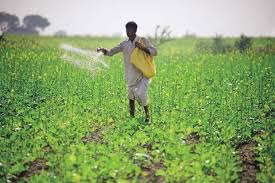
In a decisive step toward climate-smart agriculture, the Odisha University of Agriculture and Technology (OUAT) has launched an ambitious climate-resilient farming pilot project in Ganjam district. Backed by a budget of ₹70 lakh, the project is being rolled out across 29 villages and aims to help farmers cope with the mounting challenges of climate change through innovation and sustainable practices.
The pilot is expected to directly benefit over 7,000 farmers, equipping them with technology and training that enhances productivity while conserving natural resources.
Focus on Sustainable Innovation
The initiative introduces a range of smart farming solutions, including:
- Solar-Powered Insect Traps: Reduces dependence on chemical pesticides, promoting eco-friendly pest management.
- Digital Weather Sensors: Provide real-time weather data to help farmers make informed decisions on sowing, irrigation, and harvesting.
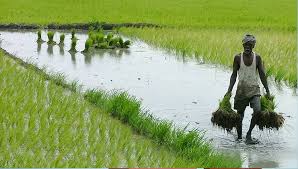
- Alternate Wetting and Drying (AWD): A water-saving technique in paddy cultivation that improves soil aeration and reduces methane emissions.
- High-Yield ‘Chandragiri’ Paddy Variety: This climate-resilient rice variety is better suited for erratic rainfall patterns and helps stabilize yields.
OUAT scientists are working closely with local farmer groups to ensure that these innovations are well-understood, easily adopted, and locally relevant.
“This project is about empowering farmers to adapt, innovate, and thrive despite climate variability,” said Dr. S.K. Patel, a senior scientist at OUAT. “We are combining indigenous knowledge with modern tools to build a sustainable future for agriculture.”
Preparing Farmers for the Future
Odisha, known for its vulnerability to cyclones, droughts, and erratic rainfall, has seen increasing pressure on its farming communities. The Ganjam initiative seeks to build climate resilience from the ground up, making agriculture more predictable and profitable even under unpredictable weather conditions.
As part of the pilot, farmers are being trained in:
- Crop diversification
- Smart water management
- Low-input sustainable agriculture
- Use of mobile-based advisory tools
A Model for Other States
Agriculture experts and policymakers view this pilot as a scalable model that could be extended to other vulnerable regions across India. With increasing attention on climate adaptation, Odisha’s step is being seen as visionary and timely.
Conclusion
The Climate-Resilient Farming Pilot in Ganjam is more than just a project it’s a step toward securing the livelihoods of thousands of farmers in a warming world. By blending modern science with grassroots implementation, Odisha is setting a strong example of how agriculture can evolve in the face of climate change.


 By
By