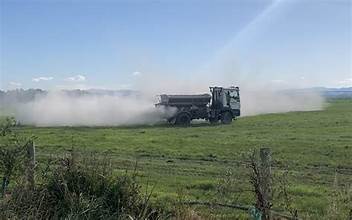
Farmers across the United States and around the world are confronting a fresh wave of cost pressures as diesel and fertiliser prices surge sharply, driven largely by heightened geopolitical tensions. The abrupt increase in input expenses is reshaping production cost structures across major cropping systems and raising concerns about potential downstream impacts on global food prices.
Agricultural economists report that diesel costs in several key producing regions have risen significantly in recent weeks due to volatility in global crude oil markets. For U.S. growers—which operate some of the world’s most mechanised farming systems—diesel is essential for planting, tillage, irrigation, harvesting and grain transportation. Even a modest rise in fuel prices can substantially inflate operational budgets, particularly for large-scale producers managing thousands of acres.
At the same time, fertiliser markets are experiencing renewed instability. Nitrogen fertilisers, which depend heavily on natural gas as a feedstock, have seen notable price spikes following geopolitical disruptions in major energy-producing regions. Phosphate and potash prices have also climbed amid supply constraints and elevated freight rates. Analysts warn that if energy markets remain volatile, costs could continue to escalate through the upcoming production cycles.
The impact is being felt unevenly across global farming systems. In the U.S. Midwest, farmers growing corn—a crop with one of the highest nitrogen requirements—face some of the steepest cost increases. Many growers are reconsidering fertiliser application rates or exploring alternative management strategies to maintain margins. Extension specialists note rising interest in precision nutrient technologies, variable-rate application and enhanced-efficiency fertiliser products as farmers look to optimise input use.
In developing countries, however, the situation is far more precarious. Smallholder farmers in Africa, South Asia and parts of Latin America are disproportionately affected, as fertiliser affordability is already a chronic challenge. Rising import bills, weakened currencies and elevated shipping costs are restricting access to essential inputs. This could lead to reduced application rates, lower yields and increased food insecurity in regions that are highly dependent on local crop production for staple foods.
Global grain markets are watching closely. Higher production costs could tighten margins for growers and reduce incentives to expand planted area. Economists caution that if farmers respond by cutting back on fertiliser use or shifting to less input-intensive crops, global supplies of major commodities—including wheat, corn, soybeans and rice—could experience downward pressure. Such a scenario risks amplifying price volatility in international markets already stressed by climate disruptions and trade uncertainties.
Food companies and supply chain managers are also assessing potential ripple effects. Elevated farm-level costs typically translate into higher raw material prices, which can feed into retail food inflation. Several agri-business groups have urged governments to consider temporary support measures, including strategic stock releases, transportation subsidies or targeted financial assistance for farmers most heavily impacted by the cost surge.
As fuel and fertiliser markets remain sensitive to geopolitical developments, farmers worldwide are bracing for a challenging season ahead. Industry experts emphasise that stabilising input markets and ensuring predictable supply chains will be critical to maintaining global agricultural productivity and safeguarding food security in the months to come.


 By
By