Farmers across Karnataka are increasingly rethinking what they grow, as erratic weather patterns and persistent labour shortages reshape agricultural decision-making in the state. Traditional cropping systems, once dominated by water-intensive cereals and commercial commodities, are gradually giving way to pulses, horticultural crops and minor millets, reflecting a broader adaptive response to climate stress and rising production costs.
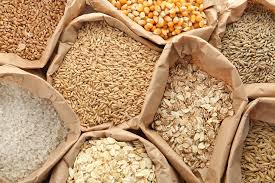
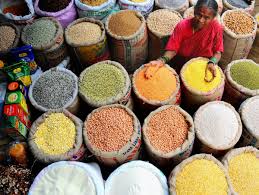
Unpredictable rainfall has emerged as a major driver of this transition. Karnataka has witnessed frequent dry spells, delayed monsoons and uneven precipitation over recent years, making conventional crops such as paddy and maize riskier, particularly in rainfed regions. In response, farmers are opting for pulses like tur, gram and moong, which require less water and are better suited to short and uncertain rainfall windows. Minor millets, including ragi, foxtail millet and little millet, have also gained ground due to their resilience to drought and poor soils.
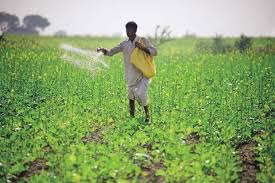
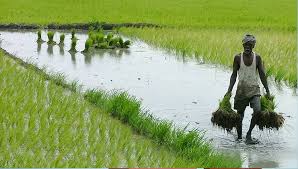
Labour availability is another critical factor influencing cropping choices. Migration of rural workers to urban areas, coupled with rising wage rates under conditions of labour scarcity, has increased cultivation costs for labour-intensive crops. Pulses and millets typically require fewer field operations compared to crops such as sugarcane or paddy, making them more viable under current labour constraints. Mechanisation has helped to some extent, but smaller farmers continue to face challenges in accessing affordable machinery.
Horticulture has also emerged as an attractive alternative, particularly in regions with access to irrigation or micro-irrigation systems. Farmers are expanding acreage under fruits, vegetables and plantation crops, driven by better price realisation, shorter crop cycles and growing urban demand. Crops such as tomatoes, onions, chillies and various fruit crops are increasingly seen as income-diversifying options, despite higher exposure to market volatility.
Official data and field assessments indicate a steady expansion in the area under pulses and minor millets in several districts, especially in north interior Karnataka and parts of the central dry zone. This shift aligns with government efforts to promote climate-resilient agriculture, including support for millet cultivation under national nutrition and sustainability programmes.
However, experts caution that the transition also requires stronger market linkages, storage facilities and price support mechanisms to ensure long-term viability. Without assured procurement or stable markets, farmers remain vulnerable to price crashes, particularly in horticulture.
Overall, Karnataka’s evolving cropping patterns underline how farmers are recalibrating agricultural strategies in response to climate uncertainty and structural labour challenges. The trend highlights the need for policy support that combines climate adaptation, market stability and resource-efficient farming to sustain rural livelihoods in the years ahead.

 By
By