New research highlighted by ScienceDaily suggests that improving soil health could play a powerful role in reducing locust damage while significantly increasing crop yields. Early findings indicate that soil enrichment practices not only strengthen plant growth but also suppress the impact of locust infestations, offering a promising, sustainable solution to a long-standing agricultural challenge.
According to the study, crops grown in enriched, biologically healthy soils were far more resilient to locust attacks than those grown in degraded soils. Researchers observed that improved soil structure and nutrient balance helped plants grow faster and stronger, enabling them to better withstand feeding pressure. In some cases, yields were found to double compared with crops grown in poor soil conditions.
The research points to a strong link between soil health and pest dynamics. Healthier soils support diverse microbial communities and balanced nutrient uptake, which in turn enhance plant defenses. Well-nourished plants appear less vulnerable to severe damage, reducing the overall impact of locust swarms without the need for heavy chemical intervention.
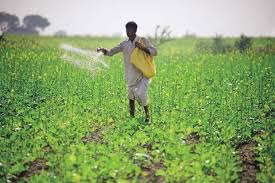
Scientists involved in the study emphasize that soil enrichment methods—such as adding organic matter, improving soil biodiversity, and restoring degraded land—can be both cost-effective and environmentally friendly. These practices not only mitigate pest damage but also improve water retention, reduce erosion, and support long-term agricultural sustainability.
Locust outbreaks pose a serious threat to food security in many regions, particularly in parts of Africa, Asia, and the Middle East. Traditional control methods often rely on pesticides, which can be expensive and carry environmental risks. The new findings suggest that investing in soil health could become a complementary strategy, reducing reliance on emergency pest control measures.
Experts say the results highlight the broader importance of regenerative agriculture in building resilient food systems. By focusing on soil as the foundation of crop production, farmers may be able to improve yields, manage pests naturally, and protect ecosystems at the same time.
While further research is needed to confirm the findings across different crops and regions, the early results offer a hopeful path forward for sustainable pest management and global food security.


 By
By