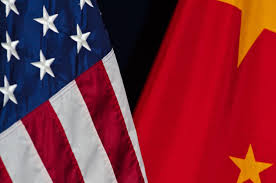

Recent developments indicating a potential easing of trade tensions between the United States and China have been positively received across U.S. agricultural markets. Producers and commodity groups view improved bilateral trade conditions as a stabilizing factor for key export crops such as soybeans, corn, and other major farm commodities.
China remains one of the largest export destinations for U.S. agricultural products, particularly soybeans, which are widely used for animal feed and food processing. During previous periods of tariff escalation and trade disputes, American farmers experienced reduced export volumes, price pressure, and market uncertainty. Any policy shift that signals smoother trade flows is therefore considered strategically significant for farm income stability.
Soybeans and corn are especially sensitive to global trade dynamics due to their scale of production and reliance on international demand. When trade channels are disrupted, surplus supply in domestic markets can depress prices, affecting planting decisions and overall farm profitability. Improved trade engagement with China could help rebalance export flows and strengthen forward price expectations.
Agricultural economists note that trade normalization does more than influence immediate commodity sales. It also enhances long-term market predictability, encouraging investment in infrastructure, logistics, and production capacity. Export-oriented sectors such as oilseed processing, grain handling, and transportation benefit from more stable trade relationships.
Industry representatives have emphasized the importance of clear communication and durable agreements to prevent abrupt policy reversals. Market volatility stemming from geopolitical uncertainty can discourage risk-taking and complicate financial planning for producers.
While global agricultural trade remains influenced by broader geopolitical and economic conditions, signals of reduced tension between the U.S. and China are being interpreted as supportive for commodity markets. If sustained, improved trade engagement could strengthen export demand, stabilize rural economies, and reinforce the role of international markets in supporting U.S. farm growth.
Stakeholders will continue monitoring policy announcements and trade data closely, as even incremental improvements in bilateral relations can carry substantial implications for global agricultural supply chains.


 By
By