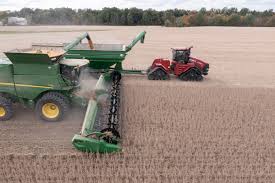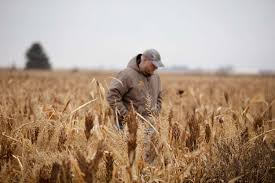
The initial draft of the 2026 Farm Bill in the United States is generating mixed reactions across the farm sector, underscoring deep divisions over subsidy design, conservation funding, and crop insurance reforms.
The proposal, introduced for legislative debate, outlines revisions to commodity support programs, adjustments to reference prices, expanded conservation incentives, and updates to federal crop insurance mechanisms. Lawmakers describe the draft as an effort to modernize the farm safety net amid volatile commodity markets, elevated input costs, and increasing climate-related risks.
Several major producer associations have welcomed provisions that would strengthen price support triggers and enhance risk management tools. They argue that updated reference prices and improved crop insurance coverage are essential to protect farm income, particularly as grain and oilseed prices fluctuate and production expenses remain historically high. Supporters say the bill reflects economic realities faced by growers of corn, soybeans, wheat, cotton, and rice.
However, other agricultural organizations have voiced concerns about how benefits would be distributed. Some groups representing smaller and diversified farms argue that the subsidy structure could disproportionately favor large-scale operations. They are calling for tighter payment limits and more equitable allocation mechanisms to ensure broader access to support.
Debate has also emerged around conservation incentives. Environmental advocates have praised proposed increases in conservation funding but are urging stricter climate and soil-health performance standards. Meanwhile, some producer groups caution against compliance requirements they believe could add administrative burdens or restrict operational flexibility.
Crop insurance reform remains another contentious area. While most stakeholders support maintaining a strong federal insurance program, disagreements persist over premium subsidies, coverage levels, and potential reforms aimed at improving program efficiency.
As negotiations continue, the draft Farm Bill highlights the complex balancing act facing policymakers: safeguarding farm income, promoting environmental stewardship, and maintaining fiscal discipline. With committee discussions and stakeholder consultations underway, the final legislation is likely to evolve before formal passage.

 By
By