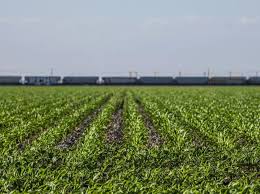
The U.S. Department of Agriculture has defended its plan to provide $12 billion in financial assistance to farmers, arguing that the support is necessary to stabilize the agricultural sector amid mounting economic pressures.
According to officials, the funding package is designed to help producers cope with commodity price volatility, elevated input costs, and tightening margins across major crop and livestock segments. Over the past year, fluctuations in global grain markets, higher fuel and fertilizer prices, and increased borrowing costs have compressed farm profitability, particularly for small and mid-sized operations.
USDA representatives emphasized that the assistance is targeted and temporary, intended to bridge short-term cash flow gaps rather than create long-term market distortions. The agency stated that the funds would support producers of key commodities such as corn, soybeans, wheat, cotton, and livestock, while also helping offset weather-related losses in certain regions.
Farm advocacy groups have broadly welcomed the move, noting that many producers are facing lower commodity prices compared to previous peaks, while production expenses remain historically high. They argue that without intervention, some farms could face liquidity stress heading into the next planting season.
However, critics have questioned the fiscal implications of the package, raising concerns about budgetary discipline and the potential impact on trade dynamics. Some analysts warn that large subsidy programs can attract scrutiny under international trade rules, particularly in competitive export markets.
USDA officials maintain that the measure is consistent with existing farm policy frameworks and is calibrated to preserve farm viability during a cyclical downturn. The debate underscores broader challenges within the U.S. farm economy, where producers must navigate market uncertainty, climate variability, and evolving

 By
By