India’s Rashtriya Gokul Mission Boosts Indigenous Cattle Breeding and Milk Productivity
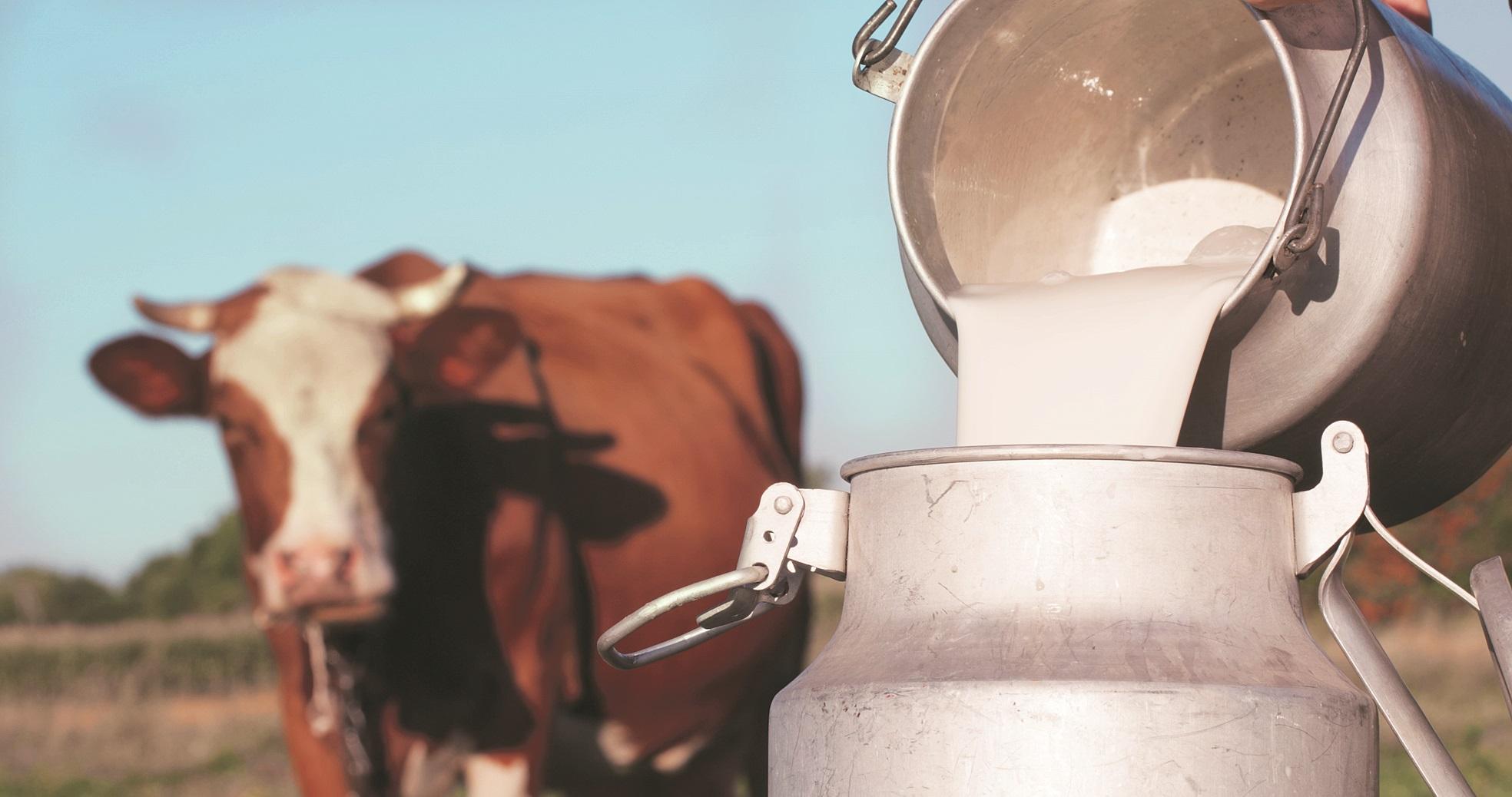
The Rashtriya Gokul Mission (RGM), launched in December 2014 by the Government of India, has emerged as a game-changer in the conservation and development of indigenous cattle breeds. By integrating modern breeding technologies with traditional cattle rearing practices, the Mission has significantly enhanced the productivity of bovines and strengthened the livelihood security of millions of dairy farmers.
The scheme was designed to conserve indigenous breeds, improve their genetic makeup, and raise milk productivity in a sustainable manner. Since its launch, the Mission has successfully advanced the use of high genetic merit bulls, expanded artificial insemination services, and introduced cutting-edge technologies like sex-sorted semen and in-vitro fertilization (IVF).
Key Achievements under RGM
- Artificial Insemination Programme: More than 14.12 crore artificial inseminations have been carried out, covering over 9.16 crore animals and benefitting 5.54 crore farmers. Services are delivered at farmers’ doorsteps and tracked digitally under the Bharat Pashudhan/National Digital Livestock Mission for complete transparency.
- Sex-Sorted Semen Technology: For the first time in India, semen stations under RGM are producing sex-sorted semen of indigenous breeds, ensuring up to 90% accuracy in producing female calves. Over 1.25 crore doses have already been produced. This is helping boost milk output while reducing the stray cattle population.
- IVF Expansion: A network of 23 IVF labs across the country has been established, producing 26,999 viable embryos and leading to the birth of 2,366 calves, including a high proportion of females. Farmers receive incentives of ₹5,000 for each assured pregnancy under this initiative.
- MAITRI Technicians: Around 38,736 rural youth have been trained as Multi-Purpose Artificial Insemination Technicians in Rural India (MAITRI), ensuring that quality breeding services reach villages effectively.
- High-Genetic Merit Bulls: Programmes such as progeny testing and pedigree selection have produced 4,243 high-genetic merit bulls, now available at semen stations to strengthen breeding infrastructure.
Boost in Productivity and Milk Production
As a result of these interventions, India’s bovine productivity has shown world-leading growth.
- Average productivity rose by 26.34% – from 1,640 kg per animal per year in 2014–15 to 2,072 kg in 2023–24.
- Productivity of indigenous and non-descript cattle increased by 39.37%, while buffalo productivity improved by nearly 15% during the same period.
- India’s total milk production jumped from 146.3 million tonnes in 2014–15 to 239.3 million tonnes in 2023–24, recording a 63.55% increase in just ten years.
Gokul Grams and Breed Conservation
To further conserve native breeds, the Government has supported the establishment of 16 Gokul Grams across several states, including Andhra Pradesh, Telangana, Karnataka, Gujarat, Madhya Pradesh, Punjab, Haryana, Uttar Pradesh, Bihar, and others. These centres act as dedicated hubs for the scientific breeding and conservation of breeds like Gir, Sahiwal, Tharparkar, Hariana, Murrah, Ongole, Amrit Mahal, and Gangatiri.
Financial Support and Future Plans
In March 2025, the Mission was further revised and realigned, with an additional ₹1,000 crore allocated, taking the total outlay to ₹3,400 crore for 2021–26. New components include:
- Establishment of Heifer Rearing Centres for high-genetic merit animals.
- 3% interest subvention for farmers purchasing IVF heifers.
Additionally, feed and fodder security is being supported through the Animal Husbandry Infrastructure Development Fund (AHIDF) and the National Livestock Mission (NLM), which encourage fodder seed production, silage-making, and storage facilities.
Transforming Dairy Farmers’ Lives
Through RGM, India is not only preserving its indigenous cattle heritage but also making milk production more remunerative. Farmers are benefitting from improved productivity, reduced breeding costs, and better access to scientific services.
With its comprehensive blend of technology, financial support, and farmer empowerment, the Rashtriya Gokul Mission stands as a cornerstone in India’s journey towards sustainable dairy development and rural prosperity.


 By
By