The ongoing geopolitical tensions in the Middle East are beginning to cast a long shadow over global agriculture, with rising fuel prices triggering a chain reaction across farming and food supply systems. As energy markets respond to instability in the region, the cost of fuel has surged, directly impacting agricultural production, transportation, and input costs worldwide. Experts warn that if the crisis persists, global food inflation could rise by as much as 15 to 20 percent, placing additional strain on economies and consumers alike.
Fuel plays a critical role in modern agriculture, from powering tractors and irrigation systems to enabling the transportation of goods across long distances. With diesel and other energy sources becoming more expensive, farmers are facing significantly higher operational costs. One of the most affected sectors is fertilizer production, which relies heavily on natural gas and energy-intensive processes. As a result, fertilizer prices are climbing, forcing many farmers to either reduce usage or absorb higher expenses, both of which can negatively impact crop yields.
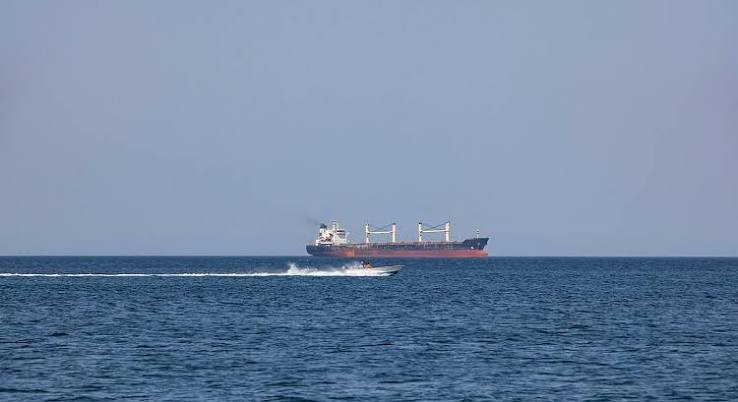
The ripple effects are being felt across global supply chains. Increased transportation costs are making it more expensive to move agricultural products from farms to markets, especially in countries that rely on imports. Shipping costs, already volatile in recent years, are rising again, adding further pressure on food prices. This situation is particularly concerning for developing nations, where food affordability is closely tied to economic stability and household income levels.
In addition to cost pressures, uncertainty in the Middle East—one of the world’s key energy-producing regions—is creating volatility in global markets. Traders and policymakers are closely monitoring the situation, as prolonged disruption could lead to supply shortages and further price spikes. Agricultural commodities, which are highly sensitive to input costs and logistics, are among the first sectors to feel the impact.
Farmers are now being forced to make difficult adjustments, including cutting back on fertilizer use, delaying planting decisions, or shifting to less input-intensive crops. While these measures may provide short-term relief, they could also lead to reduced productivity and tighter food supplies in the long run.
The potential rise in global food inflation by 15 to 20 percent is a serious concern, especially at a time when many countries are still recovering from previous economic shocks. Higher food prices not only affect consumers directly but can also contribute to broader inflationary trends, influencing interest rates and economic growth.
As the situation unfolds, governments and international organizations are expected to explore strategies to stabilize markets, including subsidies, strategic reserves, and policy interventions. However, the ongoing crisis serves as a stark reminder of how closely interconnected global energy and agricultural systems are, and how geopolitical events can quickly translate into challenges for food security worldwide.


 By
By