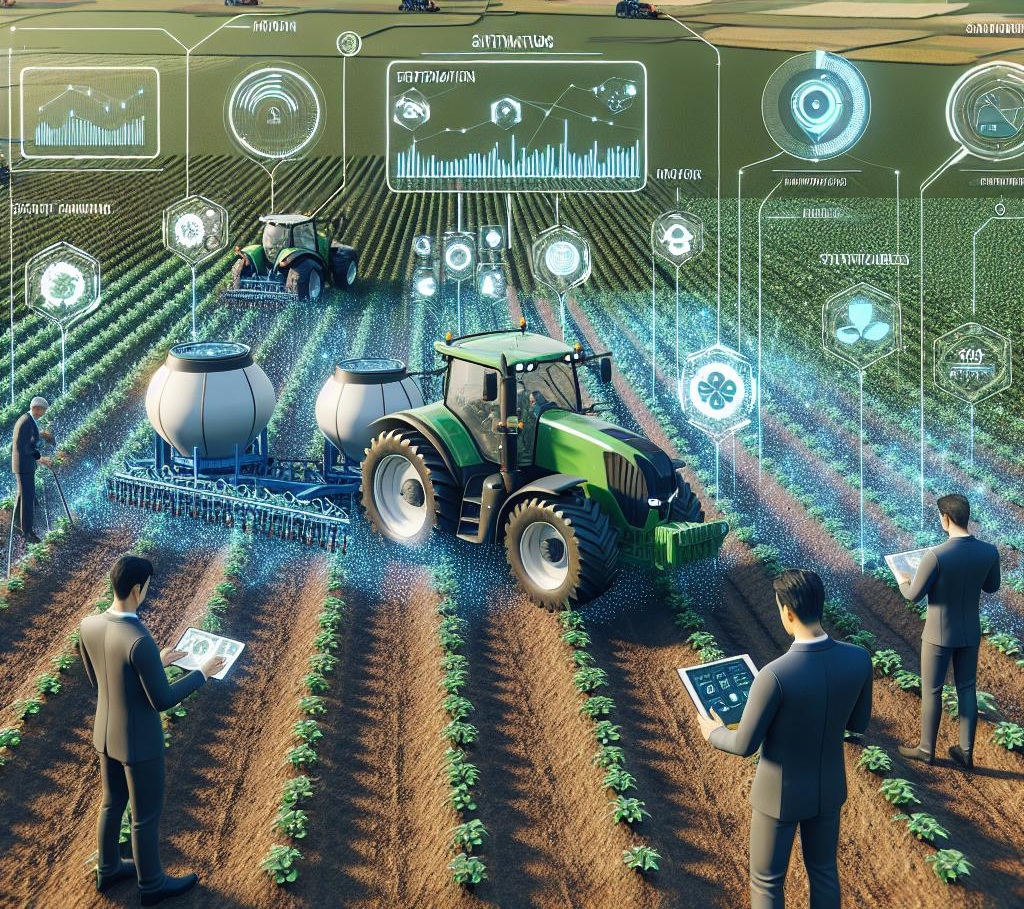
In 2025, gene-editing technology is taking center stage in global agriculture. CRISPR, known for its precision and speed, is driving a new wave of innovations that aim to make farming more resilient, sustainable, and productive. Scientists and agricultural experts highlight seven key breakthroughs making an impact this year.
1. Climate-Resilient Crops
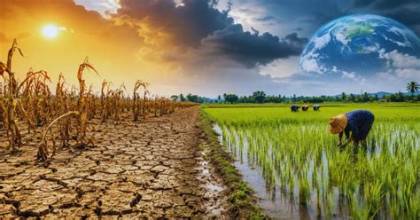
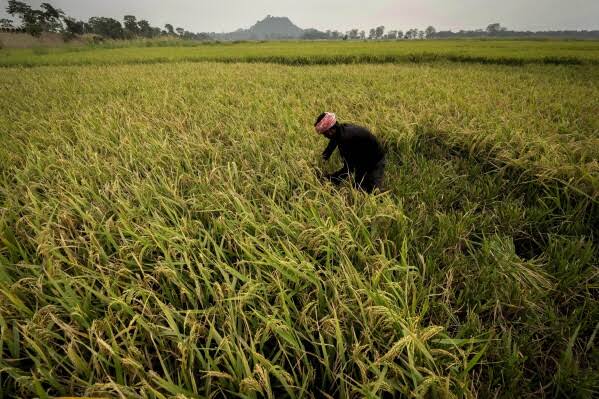
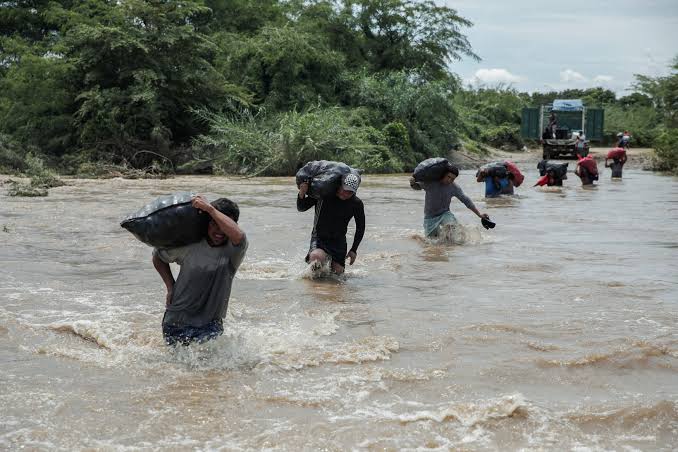
Crops like rice, wheat, and maize are being gene-edited to tolerate droughts, heat waves, and floods. These varieties are under field trials in climate-sensitive regions and could help farmers cope with unpredictable weather.
2. Disease Resistance
CRISPR is helping develop crops resistant to major plant diseases. Bananas engineered to withstand Panama disease and tomatoes resistant to viral infections are examples reducing reliance on chemical control.
3. Improved Nutrition
Researchers are enhancing nutritional content in staple crops. Iron-rich wheat and vitamin-enriched bananas are being developed to support better diets and fight malnutrition.
4. Longer Shelf Life
By targeting ripening genes, scientists have extended the freshness of crops such as tomatoes and strawberries, reducing post-harvest losses and food waste.
5. Healthier Livestock
CRISPR applications are expanding beyond plants. In cattle and pigs, edits are being made to improve resistance against viral diseases, lowering the need for antibiotics and supporting sustainable livestock production.
6. Smarter Weed Control
Gene-edited soybean and cotton varieties are being tested for tolerance to safer herbicides, which can help reduce excessive chemical use and make weed management more efficient.
7. Climate-Positive Farming
Some research groups are working on crops with stronger root systems that can absorb more carbon from the soil, opening pathways for farms to contribute directly to climate change mitigation.
Agriculture experts say these innovations demonstrate how CRISPR can address both food security and environmental challenges. At the same time, regulatory oversight and ethical considerations remain important as countries consider wider adoption of gene-edited crops and livestock.

 By
By