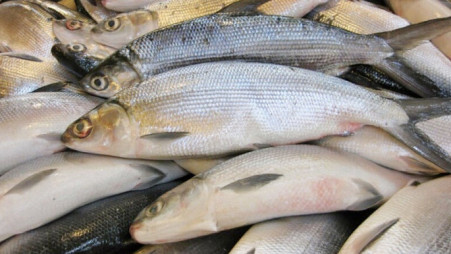
India’s seafood export sector is witnessing a significant resurgence, with frozen fish and shrimp exports growing by 19%, reaching $388.7 million in recent months. This impressive growth reflects strong international demand and highlights the resilience of India’s aquaculture industry.
The primary markets for India’s frozen fish and shrimp include the United States and China, indicating that Indian seafood continues to be highly sought after in key global markets. Exporters credit the rebound to improved production techniques, adherence to international quality standards, and a growing focus on sustainable aquaculture practices.
Industry experts note that shrimp remains one of India’s most profitable seafood exports due to its high global demand, while frozen fish varieties are increasingly finding markets in both traditional and emerging regions. The growth also demonstrates the effectiveness of government initiatives aimed at supporting seafood exports, improving cold chain infrastructure, and facilitating easier access to international markets.
Officials highlighted that the rebound in exports is expected to positively impact coastal economies and the livelihoods of millions of fishermen and aquaculture farmers across India. Enhanced demand from overseas markets also provides incentives for further investment in technology, quality assurance, and sustainable farming practices.
Speaking on the growth, trade representatives emphasized that India’s seafood sector is poised for continued expansion. “With rising global demand and improved infrastructure, India is well-positioned to strengthen its presence in the international seafood market. This growth is a win not just for exporters, but for the entire supply chain, from fishermen to processors,” they said.
The 19% increase in frozen fish and shrimp exports signals a strong recovery for India’s aquaculture industry, showcasing the country’s potential to become a major player in the global seafood market while supporting economic growth and employment in coastal regions.

 By
By