

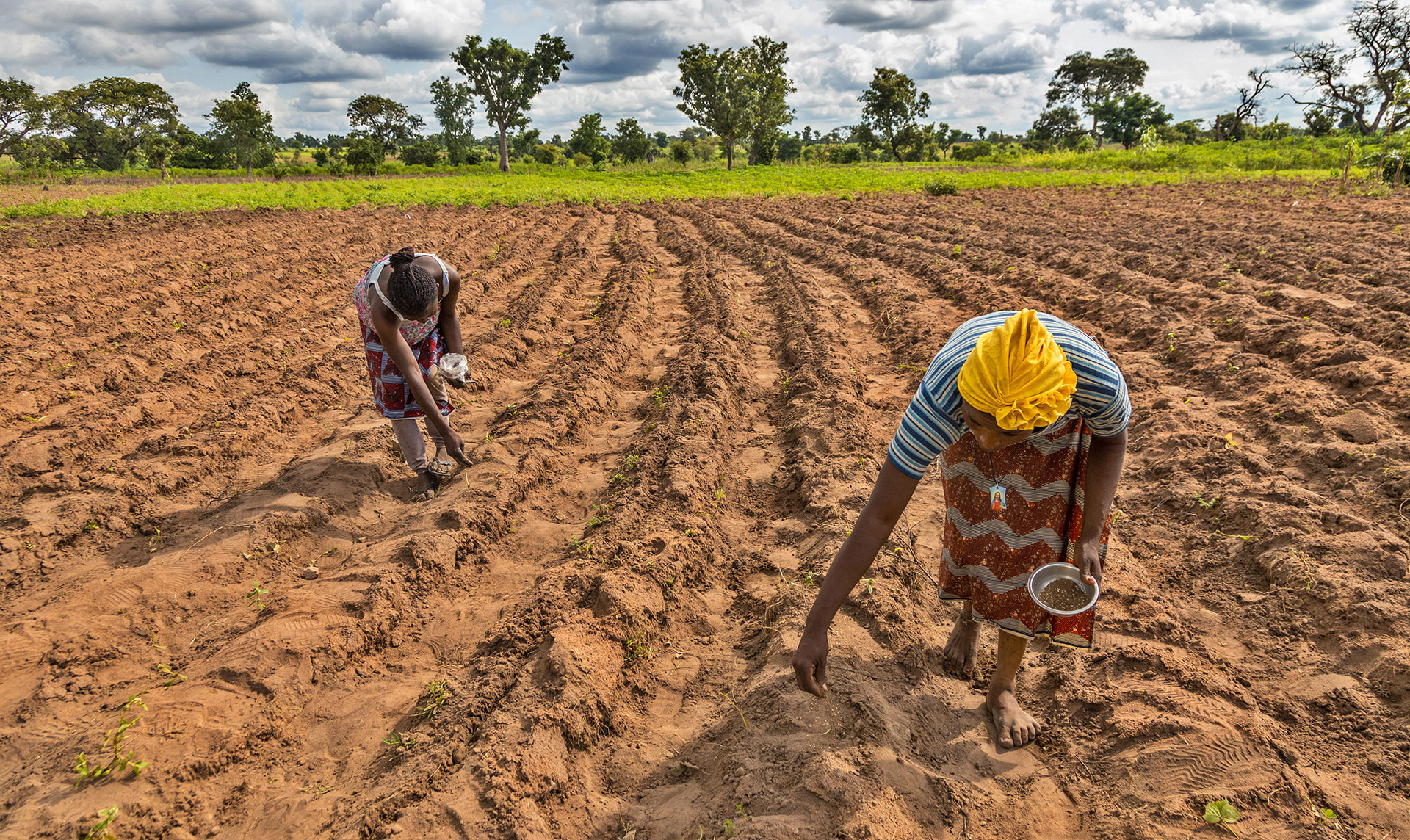
On National Women Farmers’ Day, experts and agricultural stakeholders highlighted concerns over gender bias in India’s natural farming policies, calling for reforms to ensure inclusivity and equitable support for women farmers. Discussions emphasized that while women play a crucial role in agriculture, existing policies may unintentionally increase their workload and limit access to resources.
Research and field reports indicate that women contribute significantly to farm labor, seed selection, crop management, and post-harvest activities, yet they often face restricted access to credit, training programs, and modern farming technologies. Natural farming initiatives, though environmentally beneficial, may inadvertently burden women with additional labor, as mechanization and support structures are often designed with male farmers in mind.
Experts stressed the importance of policy reforms that address these disparities, such as targeted training for women, access to financial schemes, and inclusion in decision-making bodies at the village and state levels. Empowering women in agriculture not only improves productivity and sustainability but also strengthens rural economies and household food security.
Government and non-governmental organizations were urged to design programs that recognize women farmers as key stakeholders, provide them with appropriate tools and support, and reduce structural barriers that hinder their participation in natural farming. Stakeholders noted that inclusive policy frameworks would help ensure that women benefit equally from government initiatives and technological advancements in agriculture.
The observance of National Women Farmers’ Day thus serves as a reminder of the critical role women play in India’s agriculture sector and the need for policies that empower rather than overburden them. Advocates emphasized that achieving gender equity in farming is essential for sustainable agriculture, rural development, and social progress.


 By
By











