

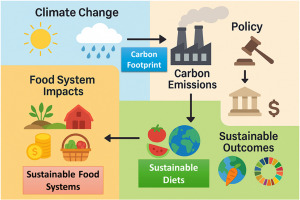
Efforts are intensifying worldwide to reduce pesticide risks and promote safer agricultural practices, a key step toward building sustainable and resilient food systems. Pesticides, while vital for protecting crops from pests and diseases, can pose significant risks to human health, biodiversity, and the environment if used improperly. The current initiatives aim to balance crop protection with environmental sustainability and public safety.
Governments, research institutions, and agricultural organizations are collaborating to develop and implement strategies that minimize the reliance on chemical pesticides. Integrated Pest Management (IPM) programs, which combine biological, cultural, and mechanical control methods with selective pesticide use, are being widely promoted. Such approaches not only reduce chemical exposure but also support ecosystem health and soil fertility.
Innovative technologies are also playing a critical role in reducing pesticide risks. Precision agriculture tools, including drones, sensors, and data analytics, allow farmers to apply pesticides only where and when they are needed, minimizing waste and environmental contamination. Additionally, research into natural pest control agents, such as beneficial insects, microbial solutions, and plant-based biopesticides, is providing safer alternatives for farmers.
Education and awareness campaigns are essential components of these efforts. Farmers are being trained on proper pesticide handling, storage, and application techniques, as well as methods for monitoring pest populations and assessing risk. This knowledge empowers farmers to make informed decisions that protect both crop yields and human health.
Reducing pesticide risks also has broader economic and social benefits. Safer farming practices can improve market access for agricultural products, particularly in regions where strict regulations govern chemical residues. Furthermore, minimizing environmental impacts supports biodiversity, water quality, and long-term soil productivity, creating more sustainable farming systems for future generations.
Experts stress that transitioning to low-risk pesticide use requires a coordinated approach involving policy support, research investment, and active participation by farmers and stakeholders. By integrating science-based solutions with practical field applications, agricultural communities can achieve higher productivity while safeguarding health and the environment.
The global push to reduce pesticide risks highlights the growing recognition that sustainable food systems depend on more than just increased production. They require practices that are safe, efficient, and environmentally responsible. With continued innovation, education, and collaboration, the agricultural sector can ensure food security while protecting the planet and the well-being of communities worldwide.


 By
By











